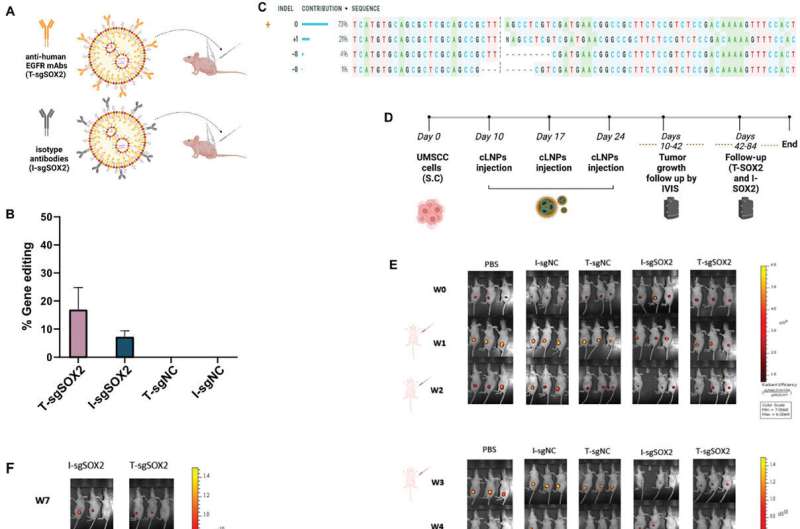
CRISPR cuts gene from head and neck cancers through direct injection – 50% of tumors eliminated in animal models
Researchers from Tel Aviv University utilized CRISPR to cut a single gene from cancer cells of head and neck tumors—and successfully eliminated 50% of the tumors in model animals.

This small berry may help fight cancer, diabetes, obesity
Scientists from Université de Montréal have made an exciting discovery about the camu-camu berry, a fruit native to the Amazon rainforest. Already known for its health benefits, including protecting against obesity and diabetes, this small berry may also help in the fight against cancer.

New drug shows promise for treating liver disease and cancer
San Antonio has one of the highest rates of a serious liver condition called metabolic dysfunction-associated steatotic liver disease (MASLD). This is largely because many people in the area have obesity and diabetes, which increase the risk of developing MASLD.
This cancer drug may extend lifespan, study finds
Scientists from the University of Auckland have discovered that a cancer drug called alpelisib may help extend lifespan—at least in mice. The researchers wanted to see whether this drug, which is currently used to treat certain cancers, could also slow down aging.
New RNA vaccine shows promise for pancreatic cancer treatment
A new study from Memorial Sloan Kettering Cancer Center has shown that an RNA-based neoantigen vaccine can generate long-lasting immune cells that may help slow the recurrence of pancreatic ductal adenocarcinoma (PDAC)—one of the deadliest cancers.

New Study Identifies Protein That Keeps Cancer Cells in Dormant State
Cancer is the second leading cause of death globally, with almost 1 in every 6 deaths attributed to the disease. It is, therefore, no surprise that so much time and resources are spent trying to find treatments and prevention strategies.

Rectal Cancer Vanishes After Immunotherapy Trial, Now Classified as FDA Breakthrough Therapy
A humble yet groundbreaking clinical trial at Memorial Sloan Kettering Cancer Center (MSK) has achieved unprecedented results in the treatment of rectal cancer, marking an incredible milestone in oncology.

The Best Juice To Drink For A Sore Throat Can Also Help Ward Off Cancer
After a loud concert or an intense sports event, you might notice your throat feeling scratchy or sore from all the shouting and cheering. But sometimes, a sore throat isn’t just from overuse. It can also be a symptom of an underlying infection. Viral infections, such as the common cold or flu, are frequent culprits of a sore throat. Strep throat is caused by a bacterial infection that can also make swallowing painful and speaking difficult.
New blood test could detect gallbladder cancer more accurately
Scientists at Karolinska Institutet and Karolinska University Hospital have discovered specific proteins in the blood that can help doctors distinguish between gallbladder cancer and gallbladder inflammation.
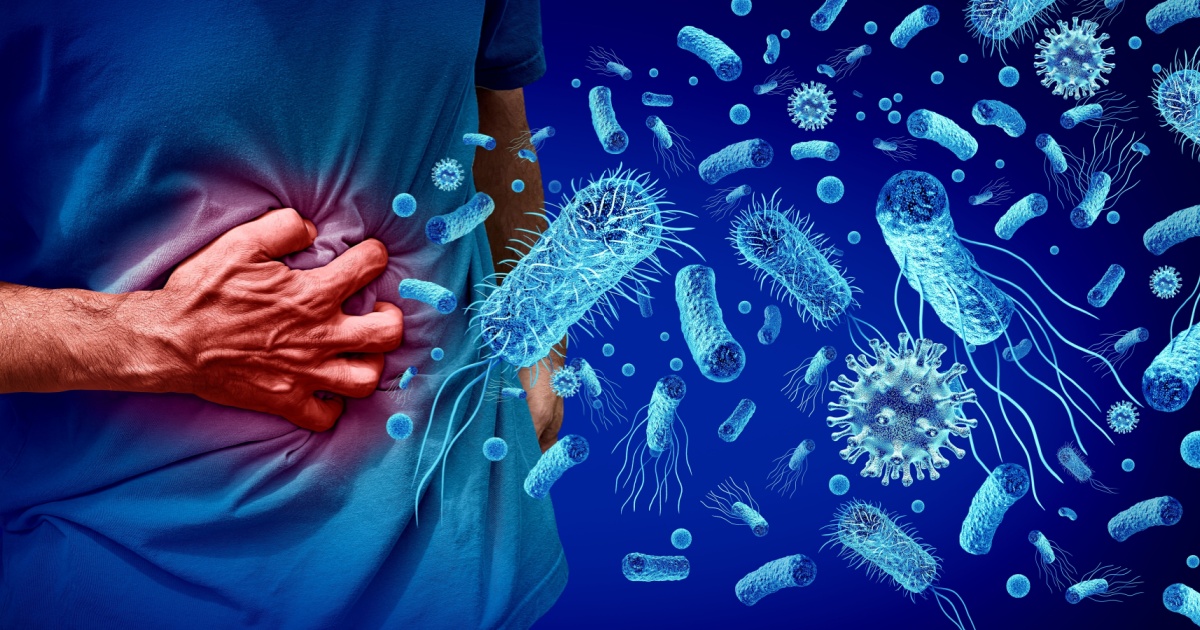
Could Salmonella Be the Key to Treating Bowel Cancer?
The concept of using bacteria to treat cancer dates back to the early 1800s, long before the advent of modern cancer treatments like chemotherapy or radiotherapy. Historical evidence suggests that rudimentary and crude forms of immunotherapy were practiced as early as Ancient Egypt. However, these early treatments of cancer using immunotherapy were risky and unreliable due to the lack of antibiotics and the potential for severe side effects.

A Popular Fruit High In Sugar Can Actually Prevent Cancer, Diabetes, And High Cholesterol
Fruits are packed with vitamins, minerals, and antioxidants that help keep your body healthy. That’s why most dietitians and health experts recommend getting a few servings of fruits (and vegetables) every day. However, some people on low-carb diets steer clear of fruit because they’re worried about the sugar and carbs.

A powerful drug combo may treat pancreatic cancer
Pancreatic cancer is one of the deadliest cancers in the world. Only about 13 out of every 100 people with this disease survive for five years after being diagnosed.