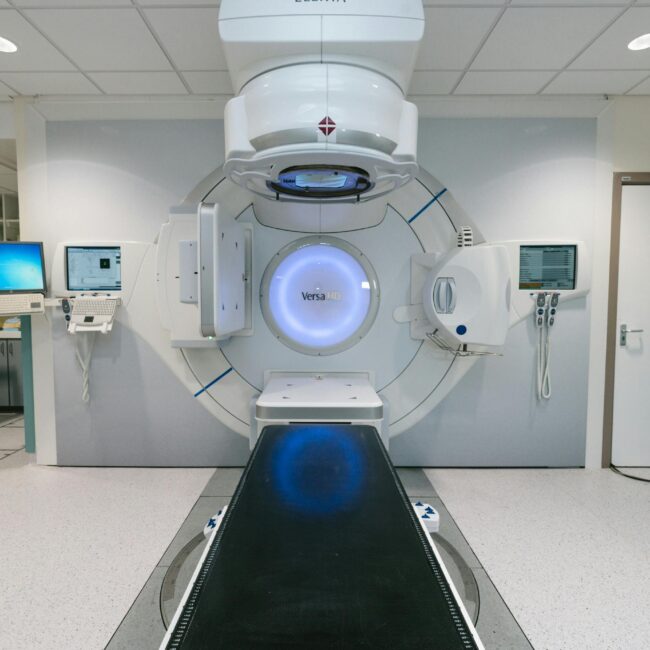

How genetic testing is leading to better treatments for childhood cancer
New research is bringing hope to children and young people with cancer by using genetic testing to match them with more effective and less harmful treatments.

Double trouble for tumors: Immunotherapy shows promise in prostate cancer treatment
Researchers at the University of Arizona Health Sciences have uncovered a promising new approach for treating prostate cancer through a combination of immunotherapy and a targeted treatment strategy.

Aromatic Plant Found to Have Cancer-Fighting Properties Against Colorectal Cancer
Traditional Chinese medicine has used Artemisia annua, or sweet wormwood, for over 2,000 years to treat various ailments, including malaria and fever.
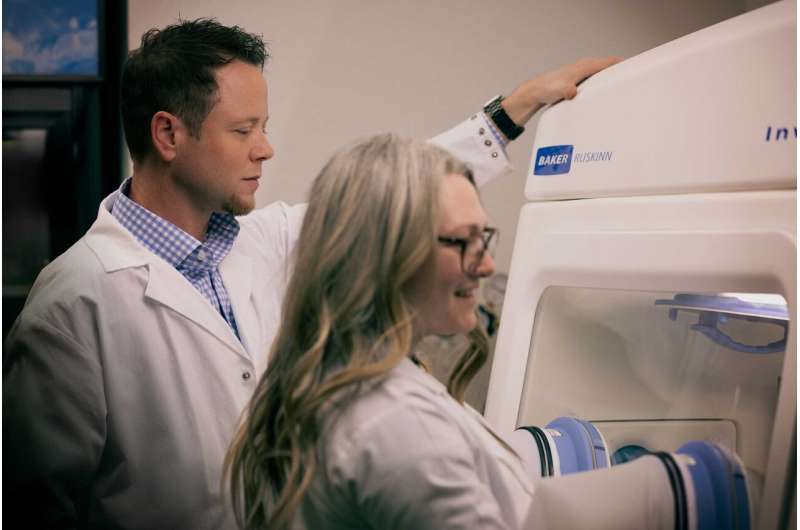
Study finds new potential for prostate cancer immunotherapy
A new study by University of Arizona Health Sciences researchers found that an immunotherapy previously shown to be ineffective against prostate cancer may have therapeutic potential when combined with a synergistic treatment approach. The paper was published in the journal Cancer Immunology Research.

Omega-3 and omega-6 fatty acids may lower cancer risk
New research from the University of Georgia suggests that omega-3 and omega-6 fatty acids could help reduce the risk of developing several types of cancer. These healthy fats, already known for their benefits in lowering cholesterol, supporting brain health, and improving mental well-being, may play a key role in cancer prevention as well.

Melatonin’s Anti-Cancer Potential; Prenatal PFAS and Cancer; Anti-Viral Gel for HPV
News, features, and commentary about cancer-related issues

New test may predict kidney cancer recurrence
Scientists at the University of Michigan have discovered a way to predict which kidney cancer patients are more likely to have their cancer come back after treatment. Their research could help doctors decide who needs extra treatment and who doesn’t, making care more personalized instead of using a “one-size-fits-all” approach.

Genetic testing offers hope for targeted childhood cancer therapies
New research has looked into a comprehensive and structured approach to genetic testing, matching children and young people with cancer to targeted treatments.

Alcohol increases colon cancer risk, while calcium and whole foods offer
A large-scale study led by researchers at the University of Oxford’s Cancer Epidemiology Unit has found strong links between dietary habits and colorectal cancer risk.

Could Salmonella Be the Key to Treating Bowel Cancer?
The concept of using bacteria to treat cancer dates back to the early 1800s, long before the advent of modern cancer treatments like chemotherapy or radiotherapy. Historical evidence suggests that rudimentary and crude forms of immunotherapy were practiced as early as Ancient Egypt. However, these early treatments of cancer using immunotherapy were risky and unreliable due to the lack of antibiotics and the potential for severe side effects.

Certain genetic alterations may contribute to primary resistance of certain cancers to KRAS G12C inhibitors
The KRAS G12C mutation is found in approximately 3% of all colorectal cancer cases and 1% to 2% of pancreatic adenocarcinoma cases, according to Hao Xie, MD, PhD, a medical oncologist at Mayo Clinic Comprehensive Cancer Center.

Common painkiller might help stop cancer from spreading
Most cancer deaths happen not because of the main tumor, but because cancer cells spread to other parts of the body. This process is called metastasis. When cancer spreads, it becomes much harder to treat.