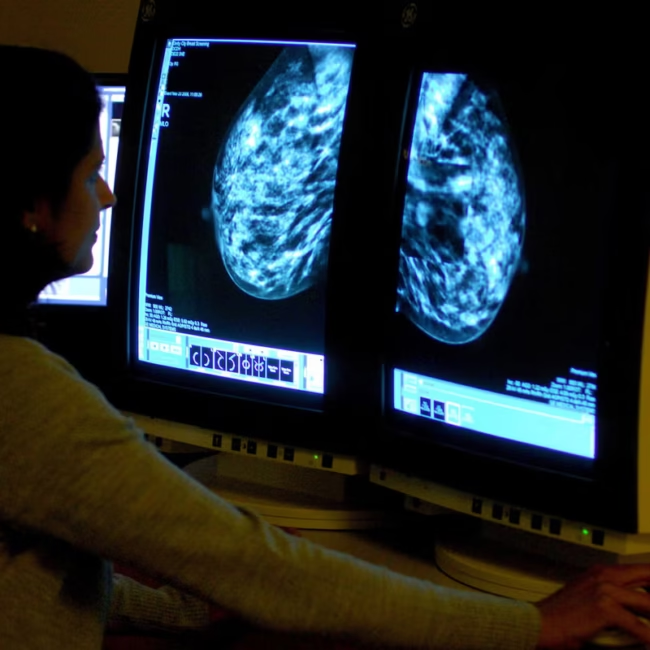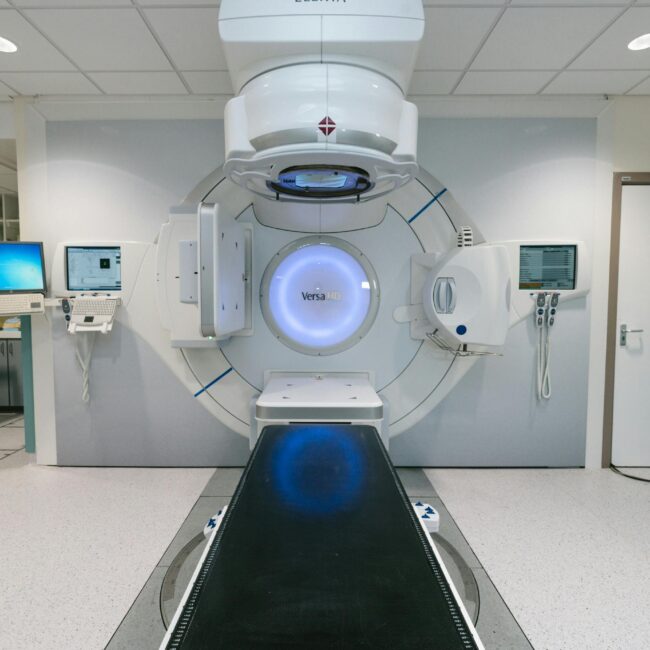

Arrivent Biopharma targets gastrointestinal cancer with new facility in Delaware County
Arrivent Biopharma is establishing a new facility in Delaware County to advance treatments for gastrointestinal cancers, aiming to enhance research and development in the region.
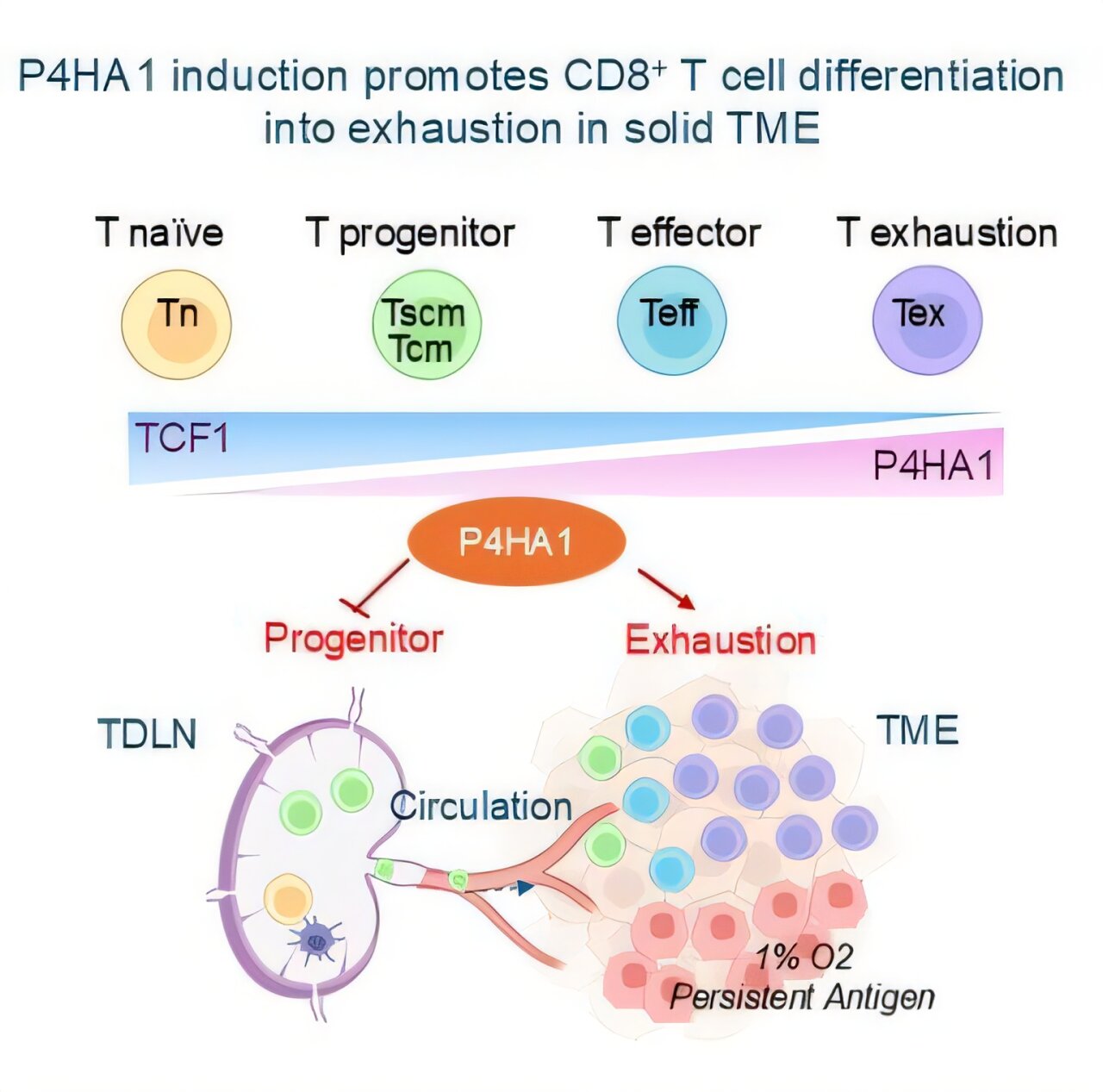
Key enzyme identified as potential target for cancer immunotherapy
Scientists from A*STAR Genome Institute of Singapore (A*STAR GIS) have uncovered that a key enzyme—P4HA1 prolyl hydroxylase, is strongly induced in CD8+ T cells in solid cancer, the primary immune cells involved in combating cancer. P4HA1 causes disruptions in energy production within the cells, which leads to weaker immune cells that are less able to fight cancer and form long-lasting anti-cancer immunity, highlighting P4HA1 as a promising target for treating solid tumors.

Triangulate Labs uses AI for skin cancer detection device – South Florida Business Journal
Last year, it entered into a licensing agreement with the Mayo Clinic to test its technology.

KU, Children’s Mercy, Saint Luke’s focus on precision medicine – Kansas City Business Journal
Using a patient’s genomics to craft a treatment plan shows great promise for cancer and rare disease patients, and these three KC-area providers are dialing up their offerings.
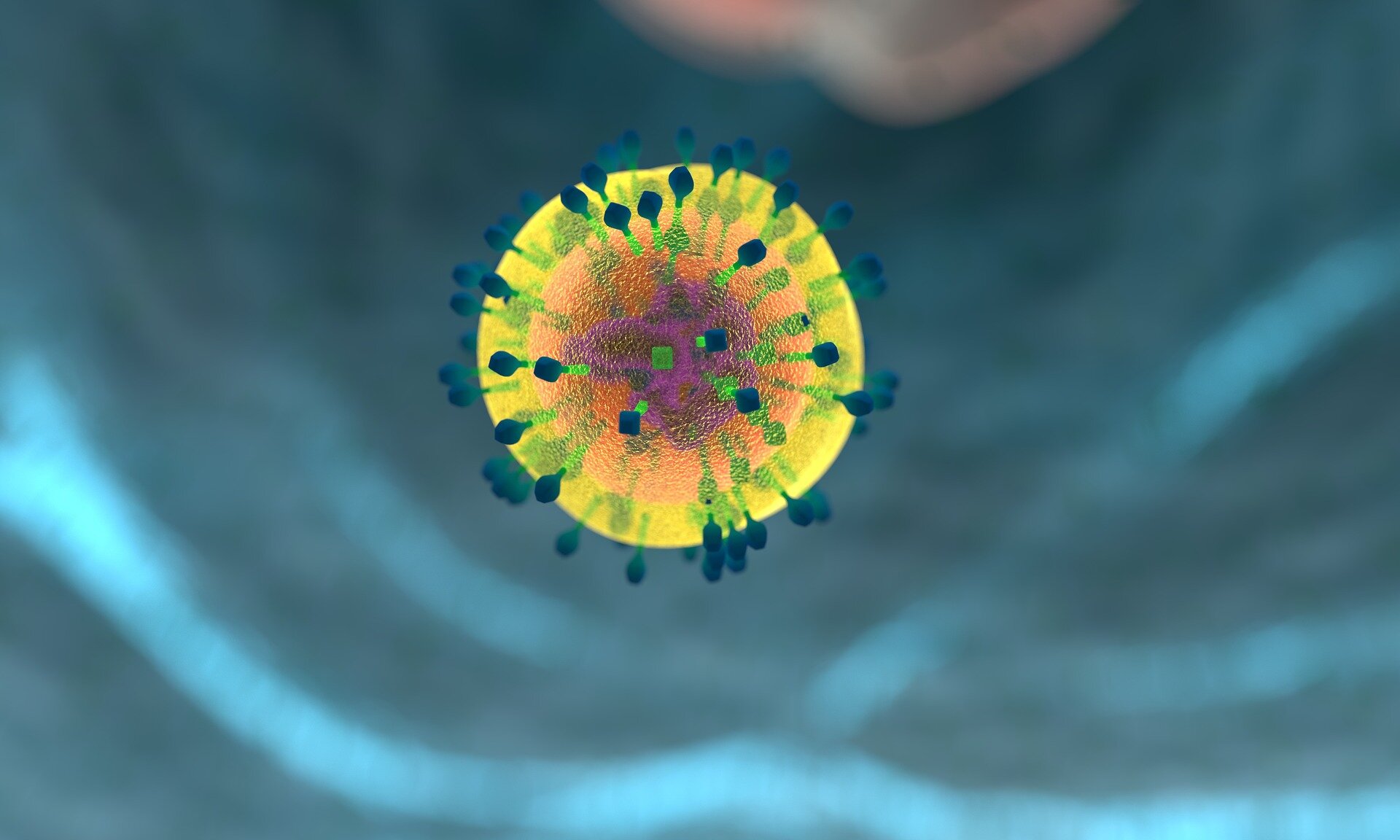
Protein CD74 can predict immunotherapy response in bowel cancer, independent of subtype
Bowel cancer is the fourth most common cancer in the UK, and the second most common cause of cancer death. The disease falls into two types: one where proteins that repair errors in DNA are missing or deficient (the deficient subtype), and one where this machinery is intact (the proficient subtype).
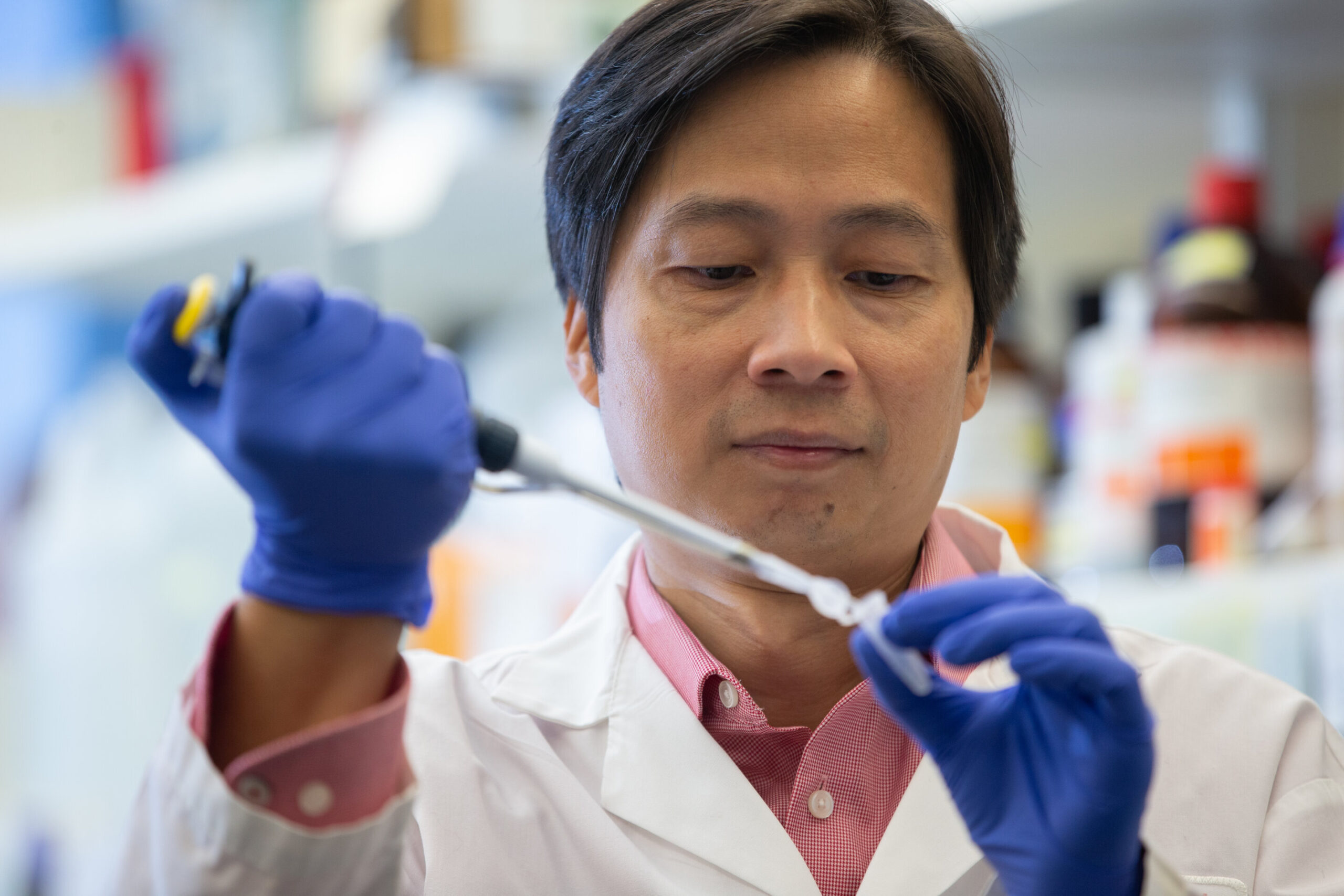
Study identifies potential microRNA target to overcome breast cancer resistance
A new University of Cincinnati Cancer Center study has identified a particular strand of microRNA as a promising new target for overcoming breast cancer treatment resistance and improving outcomes. The research was recently published in the journal Cancers.

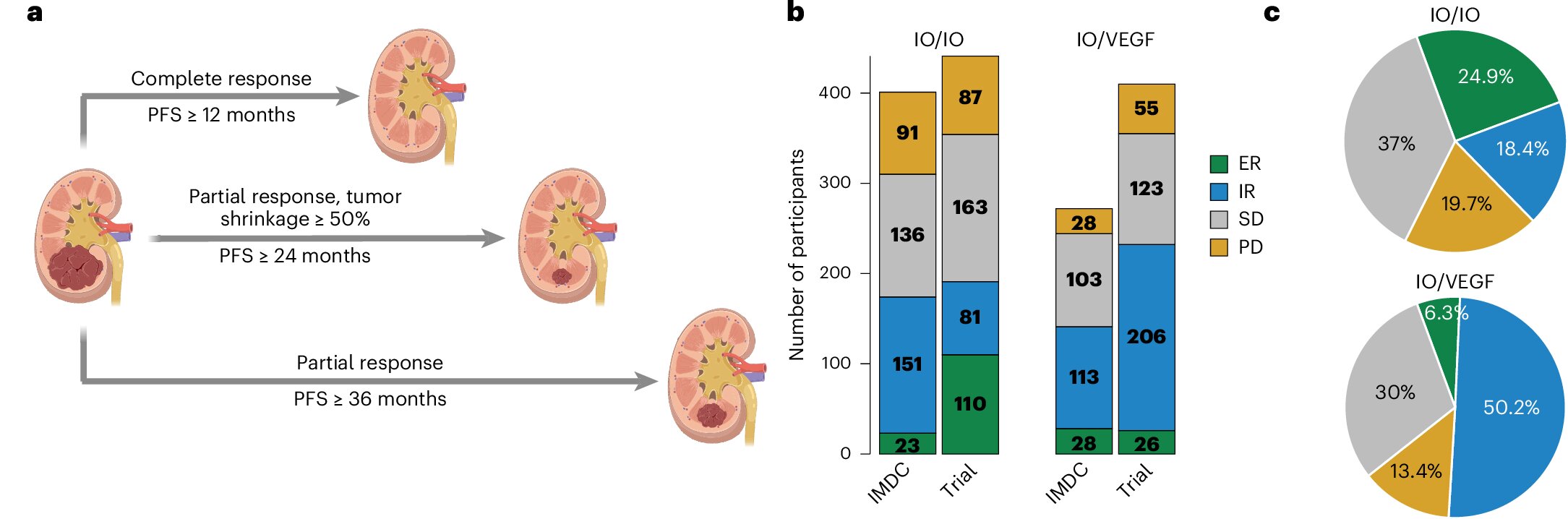
Kidney cancer study identifies factors for exceptional response to immunotherapy
Metastatic clear cell renal cell carcinoma (mccRCC), an aggressive type of kidney cancer, has historically presented limited treatment options. Immune checkpoint inhibitors, a form of immunotherapy, can lead to exceptional, durable responses (when the tumor substantially shrinks for a very long period of time) for some patients with mccRRC, allowing them to live longer with a better quality of life. However, the molecular reasons behind these exceptional responses have not been well defined.

Latest Ovarian Cancer Screening and Treatment Breakthroughs
Learn how the latest advancements may lead to earlier diagnosis and help prolong the lives of women with ovarian cancer.

Multi-target approach counters tumor growth in several cancers
The tissue adjacent to a tumor behaves differently than areas farther away. The tumor’s cancerous cells influence their surroundings, blocking the body’s immune defenses and creating a sort of haven in which the tumor can grow. Treatments that target some of these pro-tumor actions are effective in a number of cancers, but only for some patients; in others, these treatments have little effect.

Blood test shows promising results in detecting cancer early, study says
The so-called liquid biopsy analyses DNA in the blood to detect subtle signs of cancer.

Brain rejuvenation breakthrough: How limiting glucose could spark new neuron growth
A new study from Stanford Medicine suggests that glucose plays a surprising role in the aging brain's ability to produce new neurons.
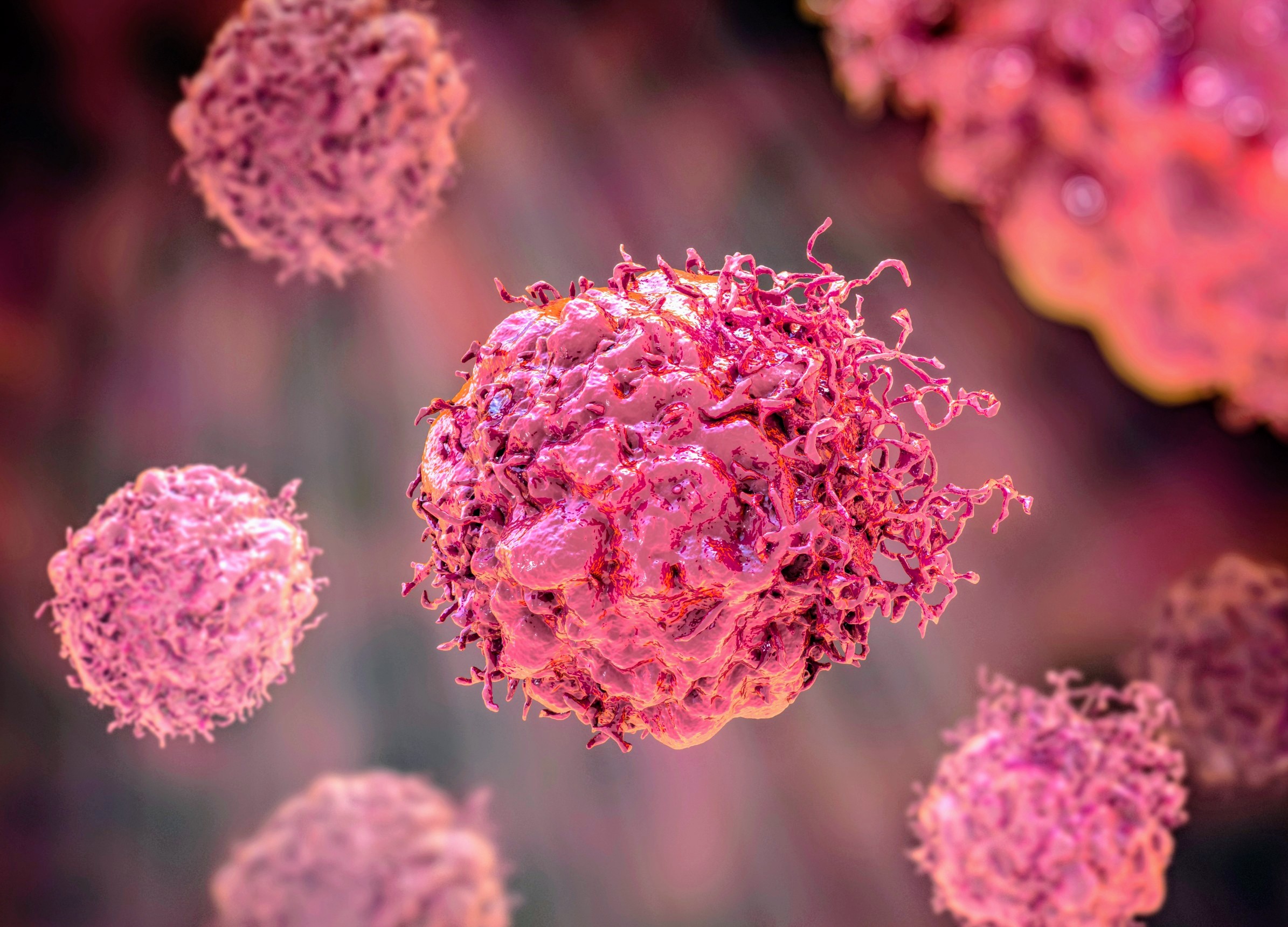
Breakthrough: Scientists learn why cancer cells die, think it may transform treatment
Scientists at the Children’s Medical Research Institute (CMRI) have made a breakthrough discovery that could transform cancer treatment.

Cancer breakthrough as vaccine revs up immune system to stop tumours and DESTROY disease
The jab uses similar technology to Covid-19 vaccines to teach the immune system how to recognise and destroy cancer cells
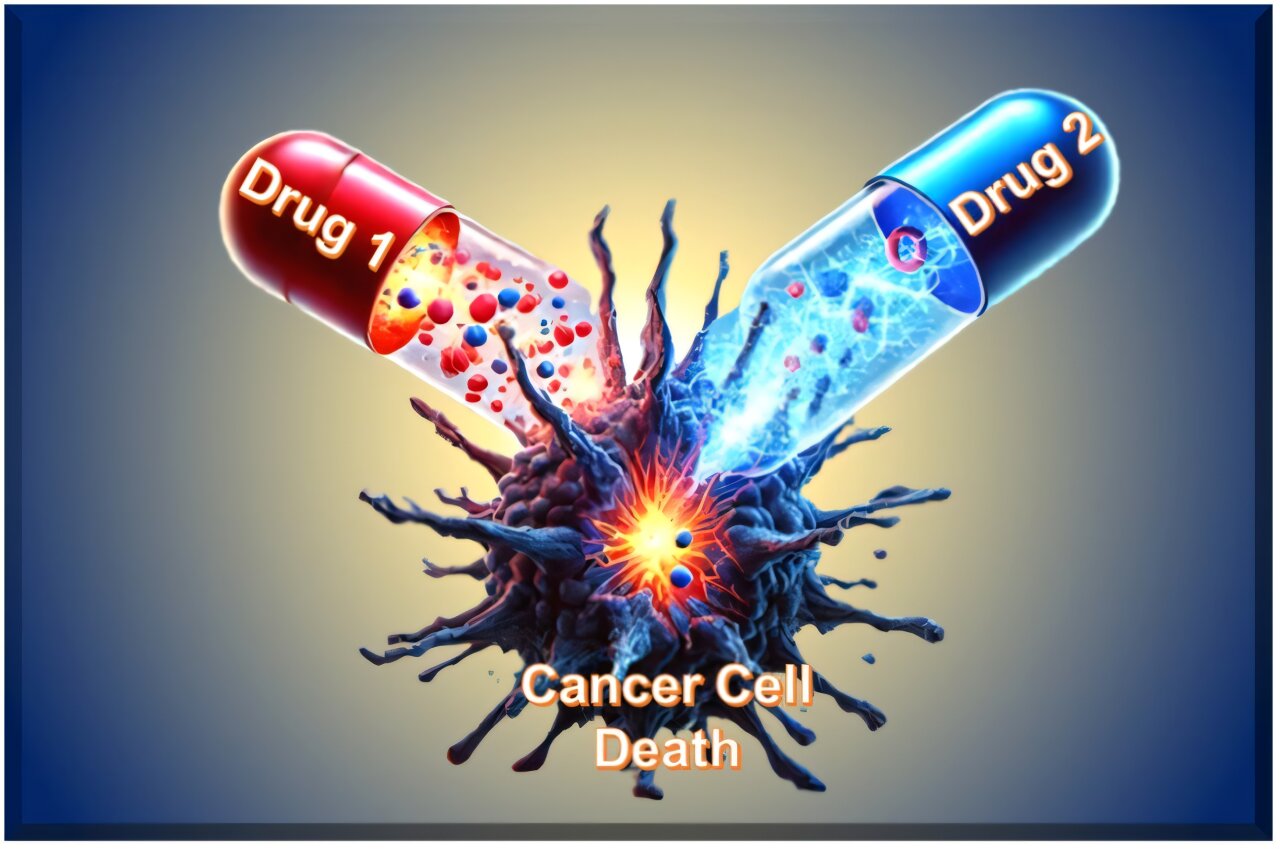
A new weapon in the battle against cancer: The story of combo prodrug TTFA-Platin
Cancer is a deadly disease taking the lives of thousands of people worldwide, and researchers are constantly looking for better alternatives for treatment. One of the major breakthroughs is combination therapy—a treatment modality that uses two or more drugs for the treatment of cancer more effectively.
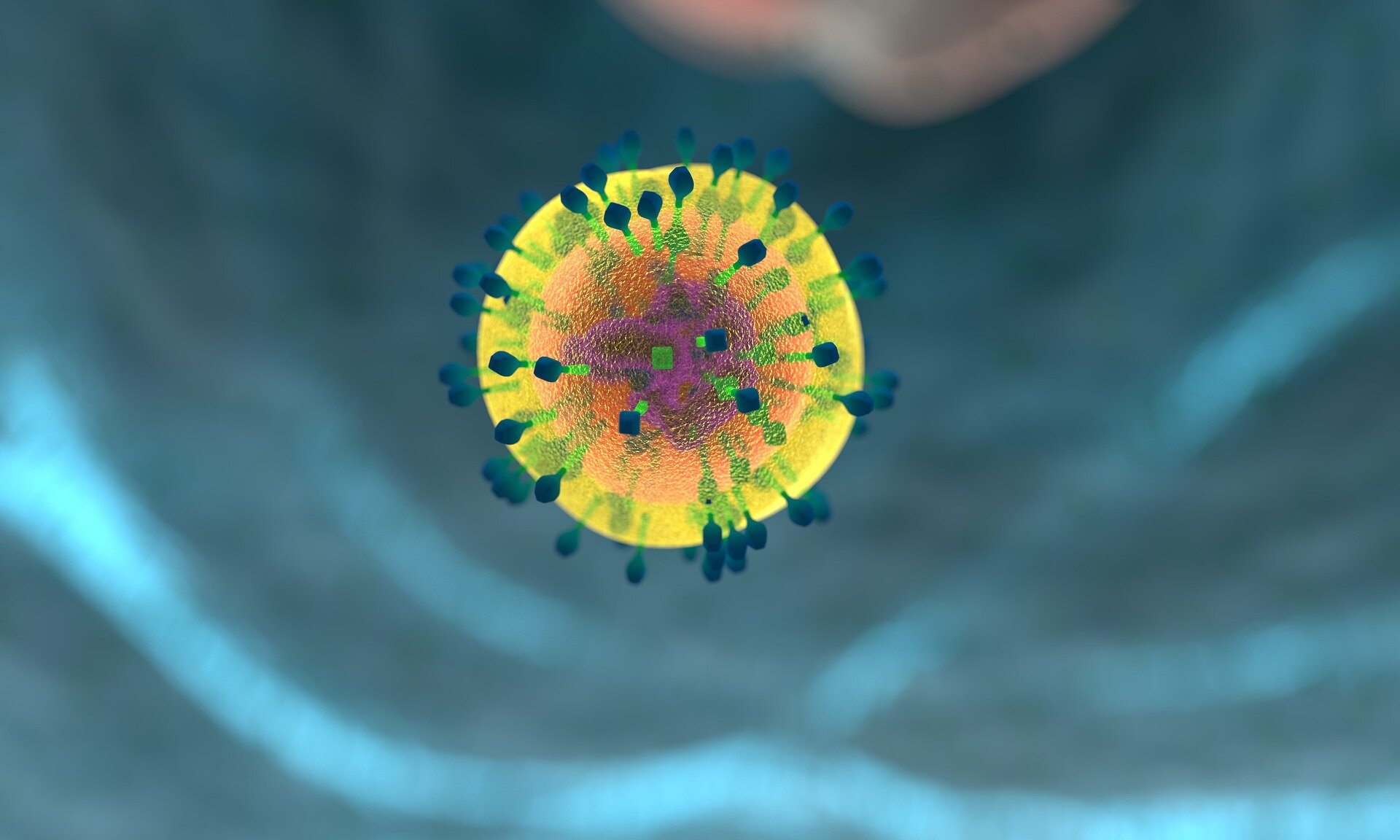
A battle of rafts: How molecular dynamics in CAR-T cells explain their cancer-killing behavior
A study published in Science Advances shares new insights into how two of the most common types of chimeric antigen receptor (CAR) T cells kill cancer.
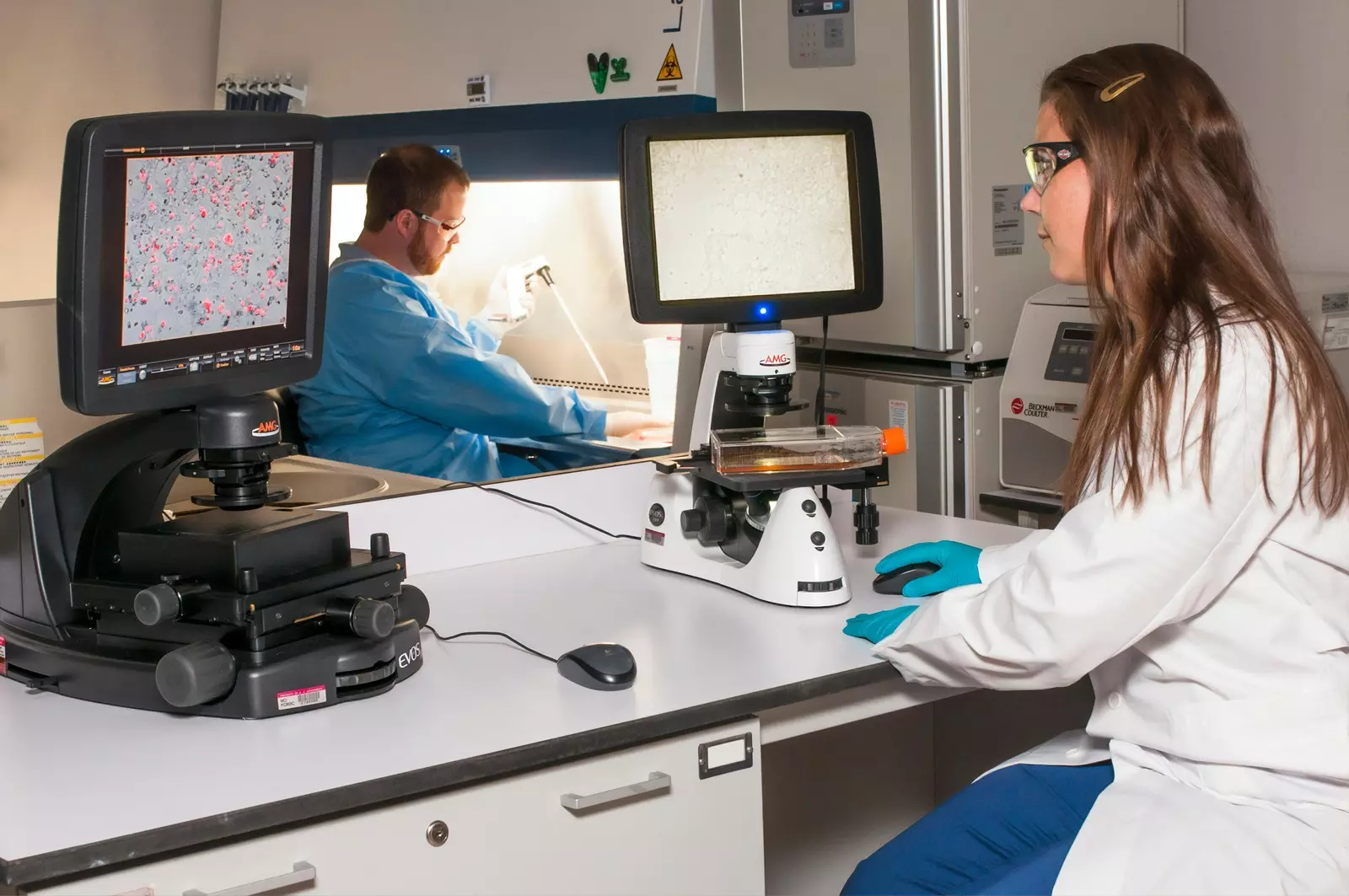
12 new breakthroughs in the fight against cancer
Cancer is one of the world’s biggest killers, with around 10 million deaths per year due to the disease.

Early mRNA vaccine trial results show potential breakthrough in fighting one of the deadliest cancers
Pancreatic cancer is one of the deadliest types of cancer, with fewer than 13% of people diagnosed with it surviving for more than five years. It kills 88% of its patients, and its recurrence rate, after surgery, is nearly 90% within seven to nine months. U.S. mortality rates, meanwhile, are on the upswing.
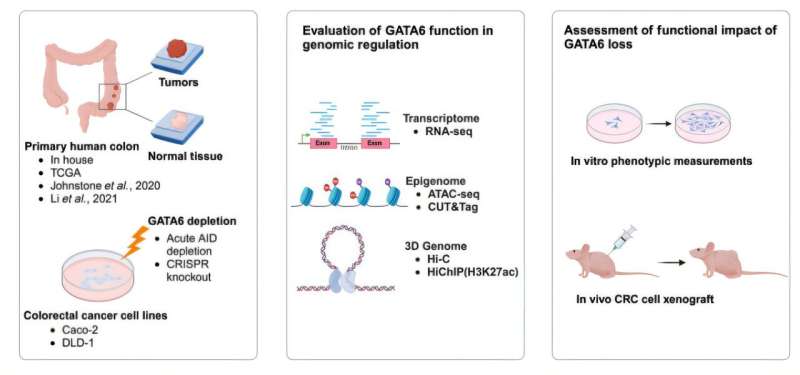
Inhibiting GATA6 protein may be key to winning the fight against colon cancer
Northwestern Medicine scientists have discovered that inhibiting the GATA6 protein in mouse models of colon cancer reduced tumor growth and improved survival, underscoring the potential of a new therapeutic target for colon cancer, according to a recent study published in Science Advances.

Mediterranean Diet May Modestly Reduce Risk for Obesity-Related Cancers
Inmaculada Aguilera-Buenosvinos, Ph.D., from the University of Navarra in Spain, and colleagues examined the association between adherence to the MedDiet and the risk for ORCs. The analysis included data from 450,111 participants (mean age, 51.1 years) in the European Prospective Investigation Into Cancer and Nutrition study.

Tiny animal known as ‘water bear’ produces radiation-resistant protein called ‘Dsup’ that can treat cancer patients
The world’s most resilient animal, the microscopic tardigrade, produces a radiation-resisting protein that could revolutionize cancer treatment, according to a new study.