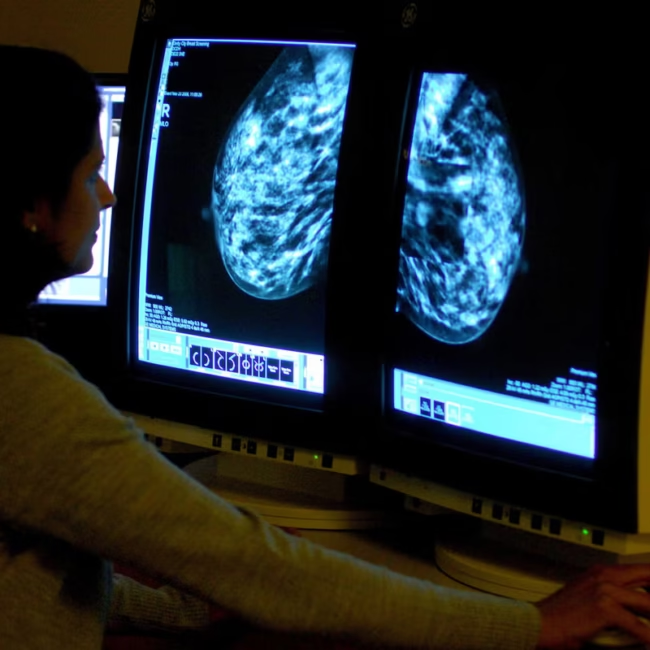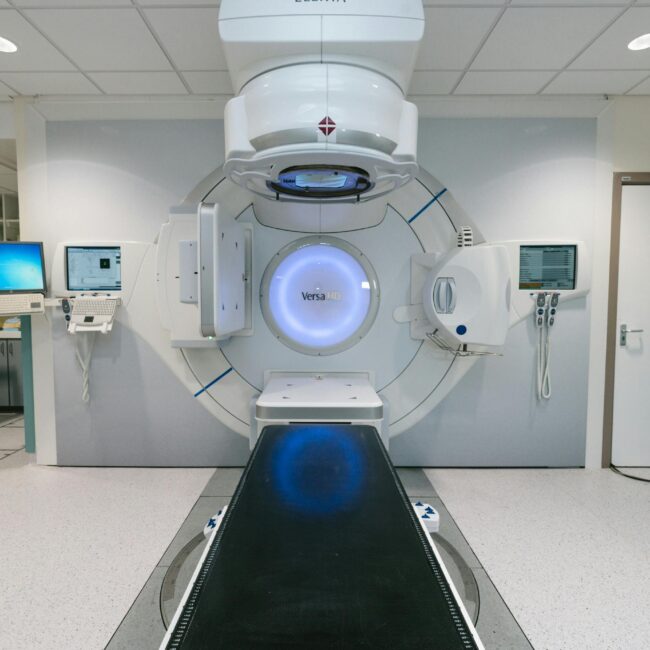
Study finds more effective treatment for head and neck cancer

A recent study explored a new way to treat certain patients with head and neck cancer. The researchers tested whether combining radiation therapy with a drug called cetuximab could improve patient outcomes compared to radiation therapy alone.
Widely used diabetes drug could fight cancer, study finds
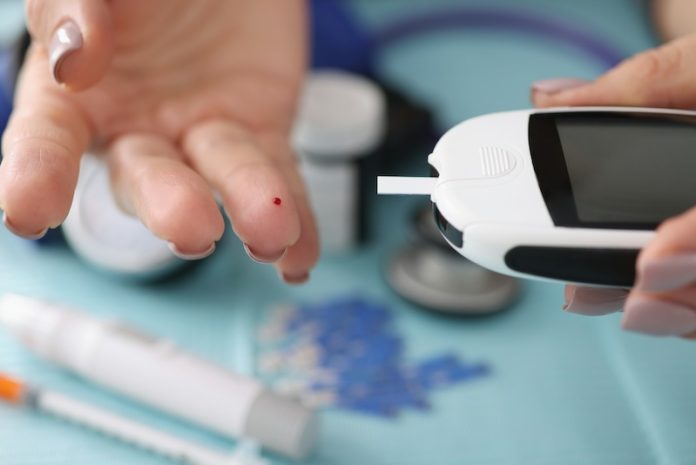
Metformin is widely used to manage type 2 diabetes, but new research suggests it may also help the immune system fight cancer. A study from the University of Helsinki, published in the Journal for ImmunoTherapy of Cancer, has uncovered how metformin can boost immune cells, making them better at recognizing and attacking cancer cells.
How a butterfly’s wings could help diagnose cancer faster and more accurately

Scientists at the University of California San Diego have discovered an unusual but powerful tool in the fight against cancer—the shimmering blue wings of the Morpho butterfly.
Therapy combo show promise for bladder cancer treatment

A new study suggests that a combination of radiation therapy and immune checkpoint inhibitors (ICIs) may offer a less invasive alternative to bladder removal for patients with muscle-invasive bladder cancer (MIBC).
Cold therapy can reduce nerve pain in breast cancer patients

A new study led by researchers at the George Washington University Cancer Center has found that cold therapy, also known as cryotherapy, can help protect breast cancer patients from nerve pain caused by chemotherapy.
Scientists find the cause of stomach cancer growth and spread

Researchers have discovered that stomach cancer cells connect with nearby sensory nerves, forming electrical circuitsthat fuel tumor growth and help the cancer spread.
New blood cancer drug has a 97% cure rate

Researchers at the University of Hong Kong’s LKS Faculty of Medicine (HKUMed) have developed an oral form of arsenic trioxide (Oral-ATO; ARSENOL) to treat acute promyelocytic leukemia (APL), a once-deadly type of blood cancer.
Common painkiller may help prevent cancer from spreading

Most cancer deaths occur because of metastasis, the process where cancer cells spread from the original tumor to other parts of the body.
Cutting nerve connections could help treat pancreatic cancer

Scientists have discovered that pancreatic cancer relies on connections to the nervous system to grow and spread.
Common chemical in everyday products may raise your liver cancer risk

Scientists from the University of Southern California have found that exposure to a widely used synthetic chemical is linked to a higher risk of developing liver cancer. The chemical, called perfluorooctane sulfate (PFOS), belongs to a group of man-made substances known as per- and polyfluoroalkyl substances (PFAS).
Can a popular vitamin supplement increase cancer risk?

Nicotinamide riboside (NR), a form of vitamin B3, is often promoted for its potential benefits in improving heart, metabolism, and brain health. Many people take it as a supplement to boost their energy levels and overall well-being.
New cancer vaccine could prevent kidney cancer recurrence

A new personalized cancer vaccine has shown encouraging results in preventing the return of kidney cancer after surgery. Researchers at Dana-Farber Cancer Institute tested the vaccine in nine patients with stage III or IV clear cell renal cell carcinoma (a form of kidney cancer).