
Tardigrades, often called “water bears,” are microscopic organisms renowned for their resilience in extreme environments, including the vacuum of space. A recent study has unveiled that these creatures produce a protein named Dsup (short for “damage suppressor”) that offers significant protection against radiation damage. Researchers have harnessed mRNA technology to induce cells in mice to produce Dsup, resulting in enhanced resistance to radiation-induced harm. This protein functions by binding to DNA strands, shielding them from disintegration.
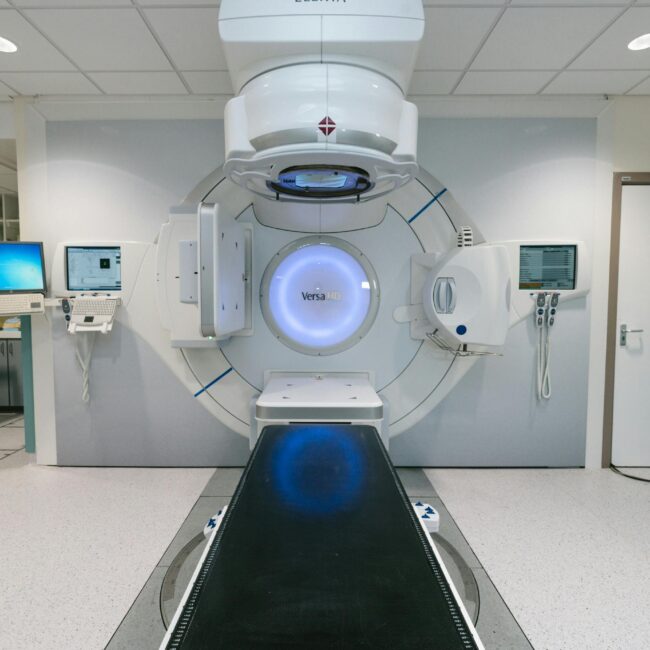
The implications of this discovery are profound, particularly in the realm of cancer treatment. By incorporating Dsup, it may be possible to mitigate the adverse effects of radiation therapy on healthy cells, thereby improving patient outcomes. Beyond oncology, Dsup’s protective properties could be leveraged to safeguard astronauts from cosmic radiation during extended space missions. This breakthrough underscores the potential of natural proteins in developing innovative therapeutic strategies and enhancing human resilience in challenging environments. Click for More Details