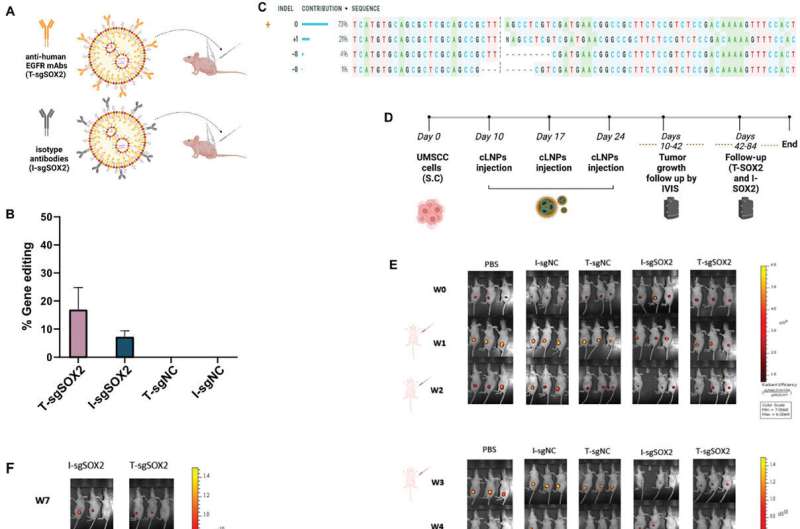
CRISPR cuts gene from head and neck cancers through direct injection – 50% of tumors eliminated in animal models
Researchers from Tel Aviv University utilized CRISPR to cut a single gene from cancer cells of head and neck tumors—and successfully eliminated 50% of the tumors in model animals.

New drug combo could fight aggressive blood cancer
Researchers from Karl Landsteiner University of Health Sciences (KL Krems) have discovered that combining two existing drugs can kill leukemia cells and limit their spread.

This small berry may help fight cancer, diabetes, obesity
Scientists from Université de Montréal have made an exciting discovery about the camu-camu berry, a fruit native to the Amazon rainforest. Already known for its health benefits, including protecting against obesity and diabetes, this small berry may also help in the fight against cancer.

First-Ever Lung Cancer Vaccine Undergoing Clinical Trial Stage in Multiple Countries
Lung cancer remains one of the most lethal forms of cancer globally, accounting for an estimated 1.8 million deaths in 2020 alone. However, a groundbreaking development in cancer treatment has recently emerged with the initiation of clinical trials for a novel mRNA-based vaccine designed to combat non-small cell lung cancer (NSCLC), the most common form of lung cancer. BioNTech, the German biotechnology company famous for developing effective COVID-19 vaccines using mRNA technology, has created this innovative form of immunotherapy, known as BNT116.

This cancer drug may extend lifespan, study finds
Scientists from the University of Auckland have discovered that a cancer drug called alpelisib may help extend lifespan—at least in mice. The researchers wanted to see whether this drug, which is currently used to treat certain cancers, could also slow down aging.
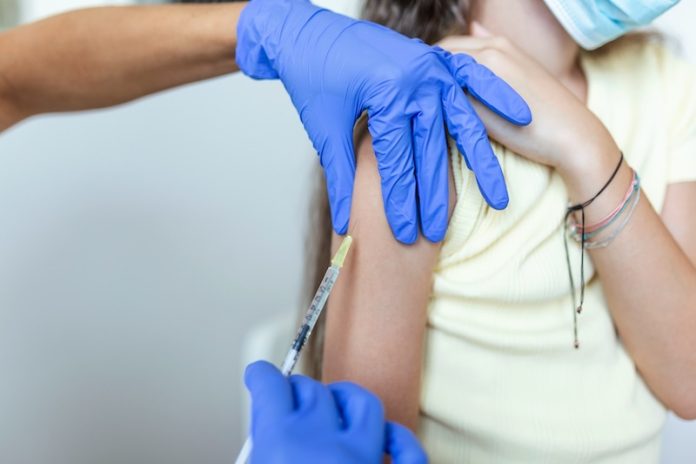
New RNA vaccine shows promise for pancreatic cancer treatment
A new study from Memorial Sloan Kettering Cancer Center has shown that an RNA-based neoantigen vaccine can generate long-lasting immune cells that may help slow the recurrence of pancreatic ductal adenocarcinoma (PDAC)—one of the deadliest cancers.
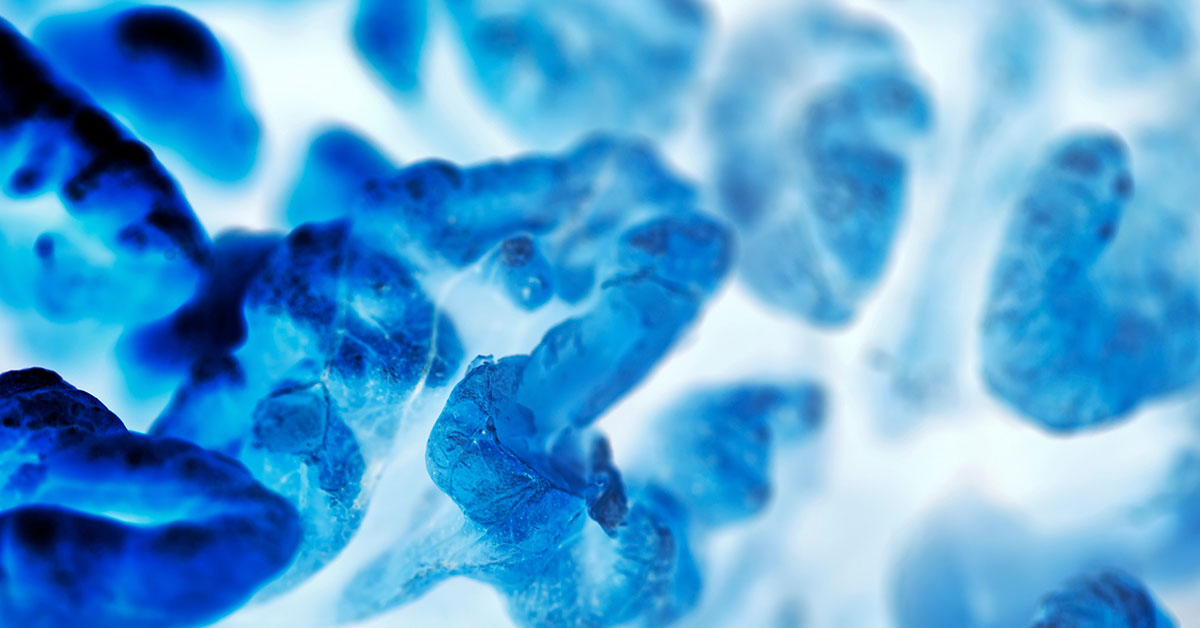
New Study Identifies Protein That Keeps Cancer Cells in Dormant State
Cancer is the second leading cause of death globally, with almost 1 in every 6 deaths attributed to the disease. It is, therefore, no surprise that so much time and resources are spent trying to find treatments and prevention strategies.

TAU researchers use CRISPR to shrink cancer cells – study
Researchers at Tel Aviv University (TAU) successfully utilized CRISPR, a gene-editing technology, to remove a single gene from cancer cells in head and neck tumors. The study, conducted in animal models, resulted in the elimination of 50% of the tumors. The findings were published in the journal Advanced Science.

Remarkable Utah woman leads charge to find cure for cancer
SOUTH JORDAN, Utah (Good Things Utah) – Throughout Women’s History Month (March) ABC4-CW30 (Good4Utah) is sharing the stories of remarkable women who contribute their time, talent, and treasure to help others and lift the community. Every Tuesday, on Good Things Utah (9a-10a) and on ABC4 News at 6:00pm, we share another remarkable woman’s story.

New drug shows promise for treating liver disease and cancer
San Antonio has one of the highest rates of a serious liver condition called metabolic dysfunction-associated steatotic liver disease (MASLD). This is largely because many people in the area have obesity and diabetes, which increase the risk of developing MASLD.

Diet Shown to Improve Brain Cancer Survival Rates by 66%, Study
Glioblastoma multiforme (GBM) is a very aggressive and hard-to-treat brain cancer. Even with improvements in surgery, radiation, and chemotherapy, most patients don’t survive long, so researchers are looking for new ways to fight it. One idea gaining attention is the ketogenic diet, a high-fat, low-carb eating plan, and whether it could help manage GBM.

Cannabis Eases Pain, Enhances Sleep, and Clears Brain Fog for Cancer Patients, Study Says
According to a new study, regular cannabis use has been linked to reduced pain and improved cognition in cancer patients. It was likewise found to be beneficial for individuals receiving chemotherapy.

New discovery could protect cancer patients from radiation side effects
Radiation therapy is a key part of cancer treatment, with about 60% of cancer patients in the U.S. receiving it at some stage.

Rectal Cancer Vanishes After Immunotherapy Trial, Now Classified as FDA Breakthrough Therapy
A humble yet groundbreaking clinical trial at Memorial Sloan Kettering Cancer Center (MSK) has achieved unprecedented results in the treatment of rectal cancer, marking an incredible milestone in oncology.

Cancer drug realized after researcher’s chance exposure to malaria drug
When experienced researcher Renato Aguilera happened across the chemical structure of a tried-and-true antimalarial drug one day, he thought it might effectively fight cancer. He was right, and he has the research, the patent, and the pharma company to prove it.

Diabetes drug could help cancer patients make better recovery
A common type of diabetes medication could help cancer patients make a better long-term recovery, according to new research from the University of East Anglia.

New treatment offers hope for deadly brain cancer
A groundbreaking experimental treatment for glioblastoma, one of the deadliest brain cancers, has been published in Nature Medicine, bringing new hope for patients.

Silexion Therapeutics’ Preclinical Cancer Candidate Shows Tumor Reduction For Pancreatic Cancer
Silexion Therapeutics Corp. SLXN+1.65%+ Free Alertsreleased data on Wednesday from orthotopic pancreatic cancer models demonstrating that subcutaneously administered SIL204 effectively reduces primary tumor growth and metastatic spread.
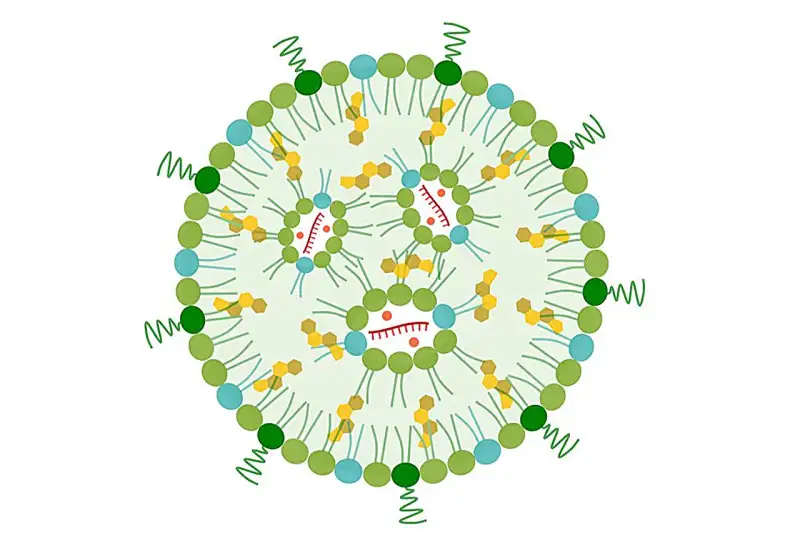
Nanoparticle immune therapy shows potential to halt pancreatic cancer spread
Pancreatic cancer remains one of the most challenging tumors to treat, partly because it is often discovered at advanced stages when the disease has already spread, or metastasized. About half of pancreatic cancer patients experience metastasis to the liver, which worsens the prognosis for an already life-threatening disease.
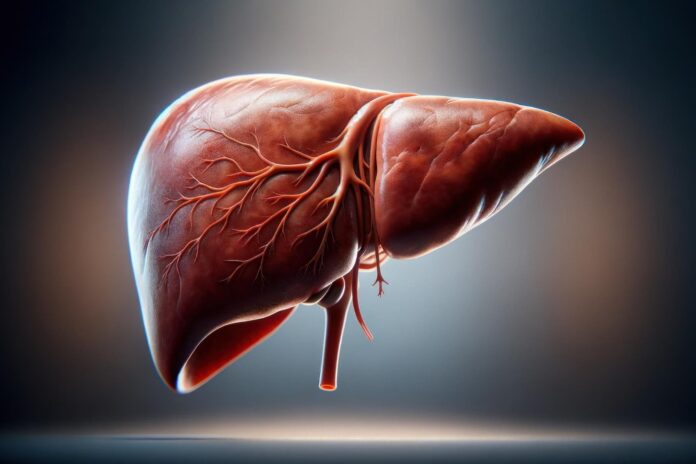
The timing breakthrough in liver cancer treatment
In a significant step forward for liver cancer treatment, researchers have found that a gap of at least 50 days between stopping immunotherapy and undergoing a liver transplant dramatically lowers the risk of graft rejection. This discovery offers new hope to patients battling hepatocellular carcinoma (HCC), the most common form of liver cancer globally.

Minimally invasive prostate cancer treatment shows success in first patient
Bill Faulkner had long approached prostate cancer testing with skepticism. For almost a decade, the 73-year-old had avoided the prostate-specific antigen test because of concerns about over-diagnosis; over-treatment; and, most of all, the potentially life-altering side effects of invasive surgical treatments.
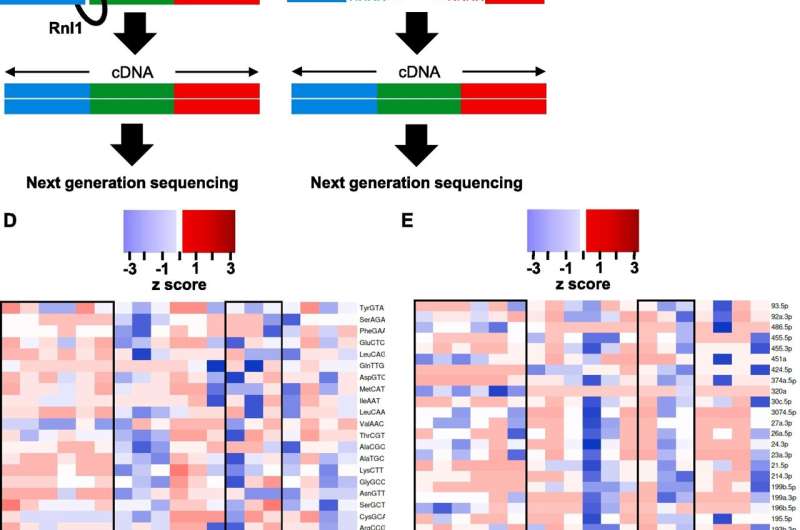
New drug shows promise in treating childhood bone cancer
A new drug that works against the main types of primary bone cancer has been developed by researchers at the University of East Anglia and University of Sheffield.

How aspirin could be used to reduce your cancer risk
Aspirin has the potential to prevent certain forms of cancer from spreading, scientists have found, and could even be used as a cancer treatment in the future.
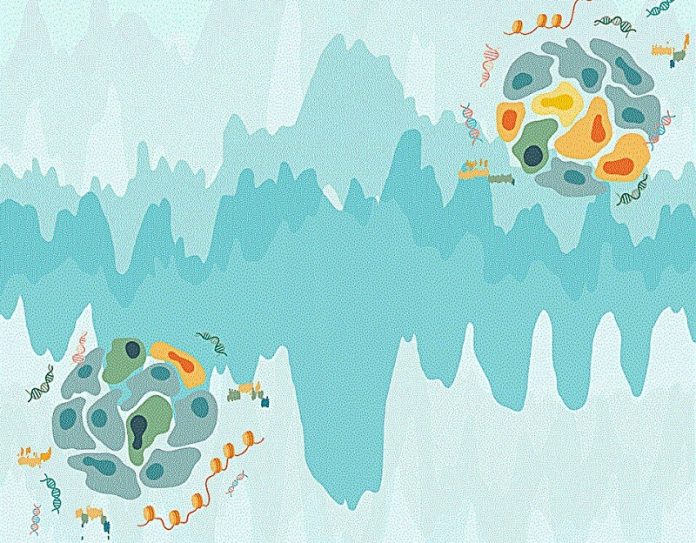
How genetic testing is leading to better treatments for childhood cancer
New research is bringing hope to children and young people with cancer by using genetic testing to match them with more effective and less harmful treatments.