
Scientists develop novel adjuvant delivery system to enhance cancer vaccine effectiveness
Researchers at the Terasaki Institute for Biomedical Innovation have developed an innovative delivery system that could significantly improve the effectiveness of peptide-based cancer vaccines, according to a new study published in Advanced Functional Materials. The breakthrough centers on a new class of materials called lipopeptide hydrogels (LPHs), which show promise in boosting immune responses and possess adjuvant-like properties.

Scientists Find Drug Combo Could Help Immune System Fight… : Oncology Times
Scientists have discovered a promising drug combination that could enhance the immune system’s ability to fight cancer.
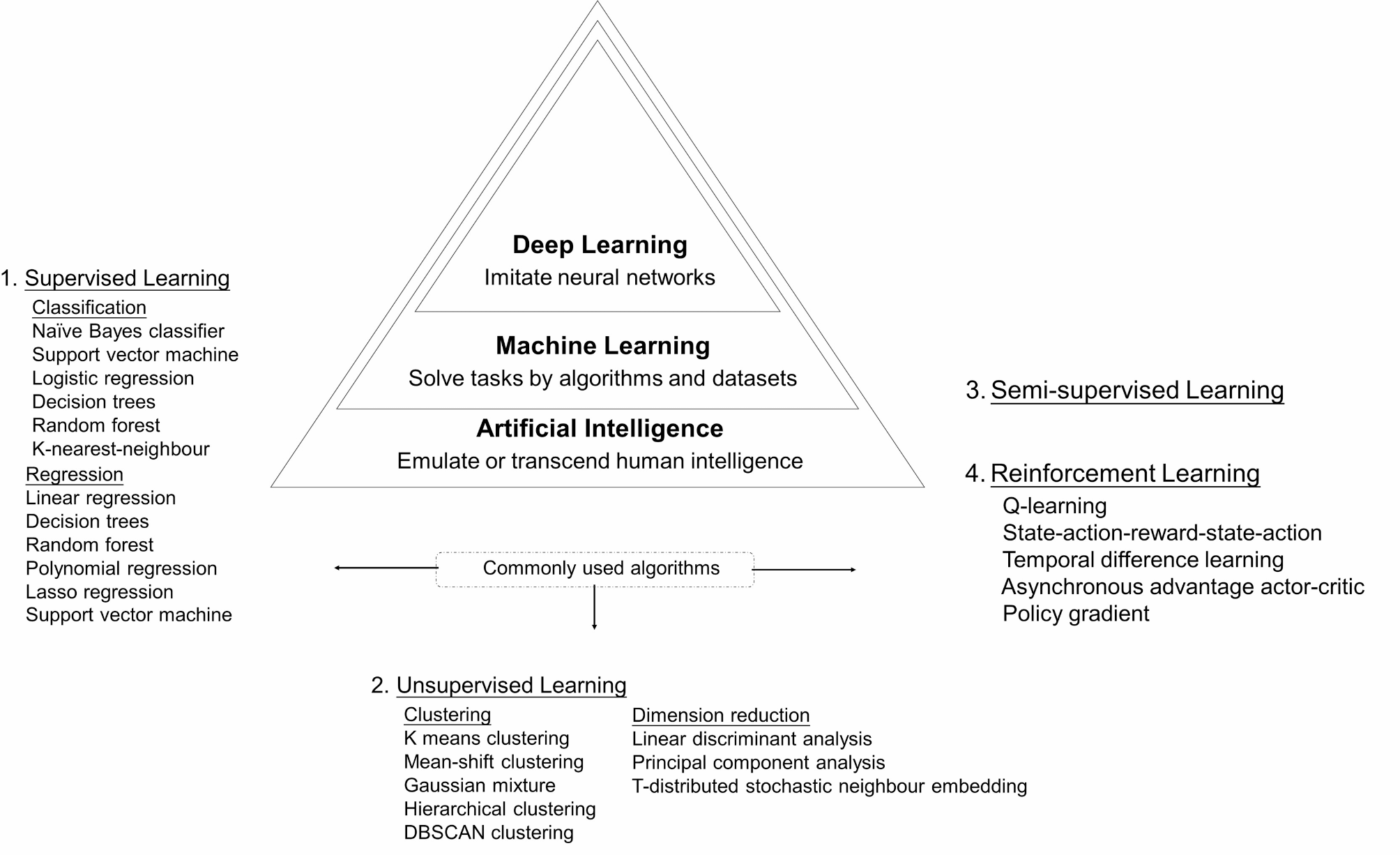
The clinical application of artificial intelligence in cancer precision treatment – Journal of Translational Medicine
Background Artificial intelligence has made significant contributions to oncology through the availability of high-dimensional datasets and advances in computing and deep learning. Cancer precision medicine aims to optimize therapeutic outcomes and reduce side effects for individual cancer patients. However, a comprehensive review describing the impact of artificial intelligence on cancer precision medicine is lacking. Observations By collecting and integrating large volumes of data and applying it to clinical tasks across various algorithms and models, artificial intelligence plays a significant role in cancer precision medicine. Here, we describe the general principles of artificial intelligence, including machine learning and deep learning. We further summarize the latest developments in artificial intelligence applications in cancer precision medicine. In tumor precision treatment, artificial intelligence plays a crucial role in individualizing both conventional and emerging therapies. In specific fields, including target prediction, targeted drug generation, immunotherapy response prediction, neoantigen prediction, and identification of long non-coding RNA, artificial intelligence offers promising perspectives. Finally, we outline the current challenges and ethical issues in the field. Conclusions Recent clinical studies demonstrate that artificial intelligence is involved in cancer precision medicine and has the potential to benefit cancer healthcare, particularly by optimizing conventional therapies, emerging targeted therapies, and individual immunotherapies. This review aims to provide valuable resources to clinicians and researchers and encourage further investigation in this field.
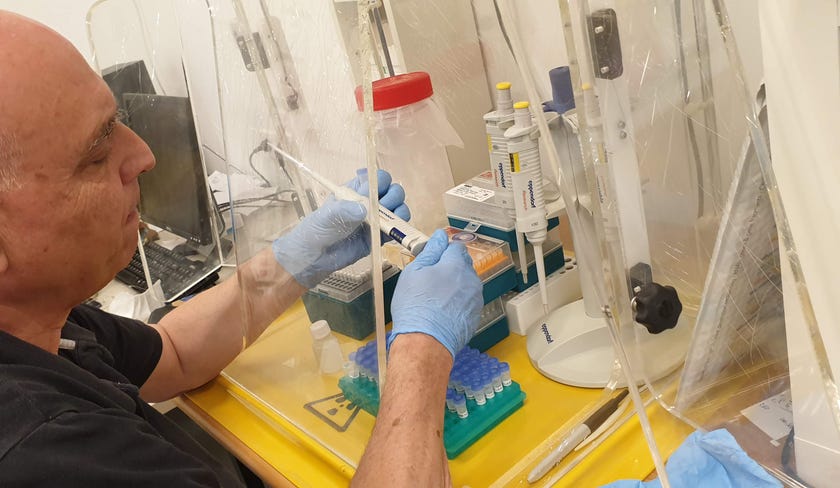
From COVID-19 testing to a breakthrough in cancer treatment monitoring
Innovations originally developed for COVID-19 testing are now being applied to monitor cancer treatments more effectively.

DNA-Tagged Gold Nanoparticles Enable Advanced Cancer Detection
Researchers have developed DNA-tagged gold nanoparticles that enhance the detection of cancer cells, offering a new avenue for early diagnosis.
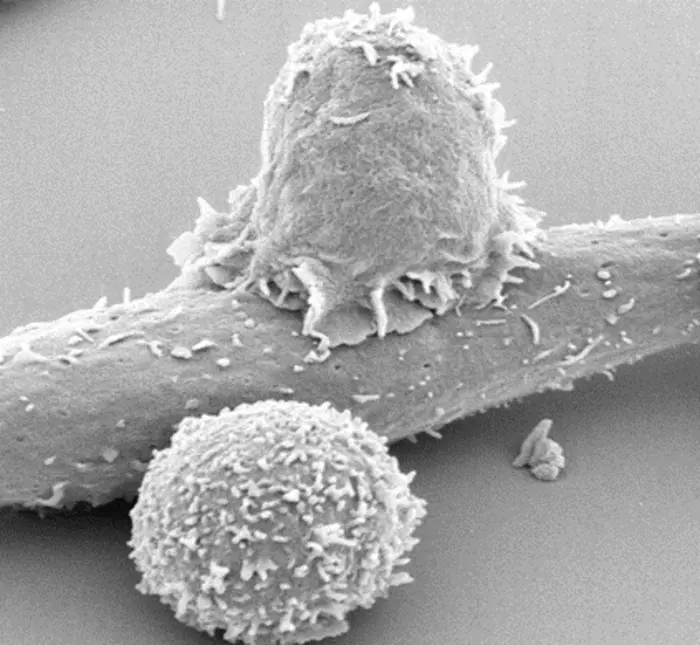
Addition to T Cell Expansion Media Leads to Improved Antitumor Efficacy in Mice
Researchers identify glucose usage as one major divergence betweenT cells expanding in vitro versus those expanding in vivo.
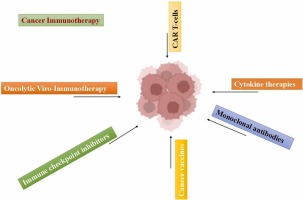
Adjuvant Cell Therapy Reduces Recurrence Risk in Early-Stage Liver Cancer
A comprehensive overview of the latest developments in cancer therapy, including immunotherapy and targeted treatments.
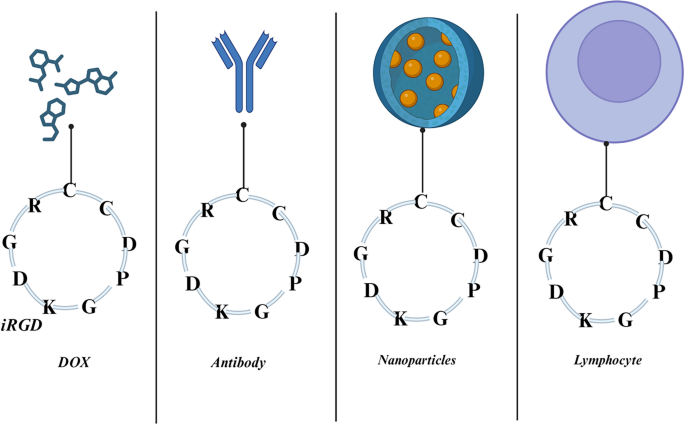
Advances and prospects of cell-penetrating peptides in tumor immunotherapy – Scientific Reports
Scientists have discovered a novel approach to cancer treatment by

Navigating advanced bladder cancer: One caregiver’s journey
Bladder cancer is a serious, challenging disease, particularly when not detected early.
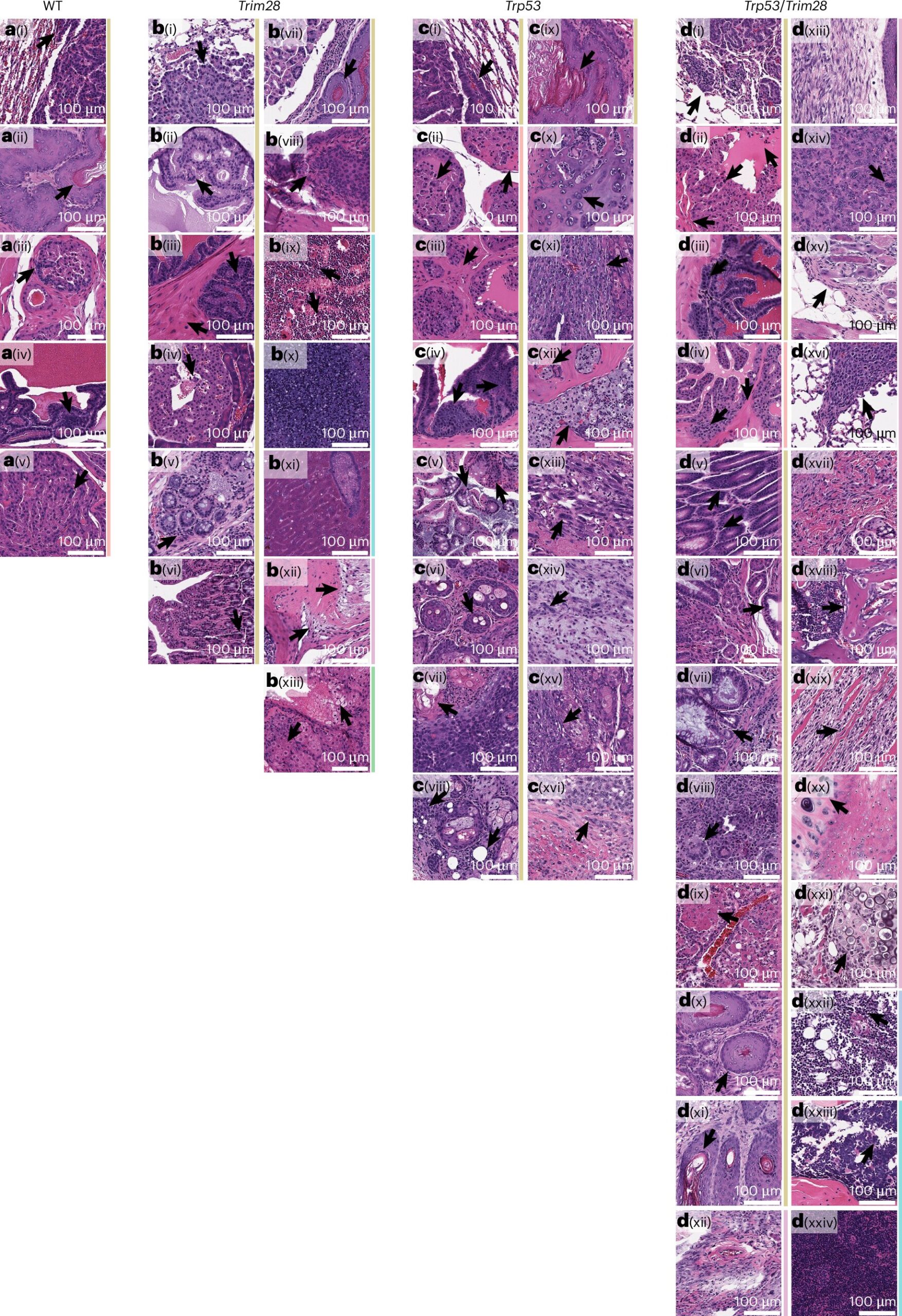
Epigenetic states during development establish cancer risk before birth
A person’s lifetime risk for cancer may begin before they are even born, reports a paradigm-shifting study by Van Andel Institute scientists.

Combination of dual-targeted therapies and chemotherapy shows high response rates in BRAF-mutated metastatic colorectal cancer
Patients with metastatic colorectal cancer (mCRC) harboring BRAF V600E mutations benefitted from first-line treatment with the targeted therapies encorafenib and cetuximab plus a mFOLFOX6 chemotherapy regimen, according to results from the Phase III BREAKWATER trial led by researchers at The University of Texas MD Anderson Cancer Center.

Enhertu Approved for HR+, HER2-Low/Ultralow Metastatic Breast Cancer
Approval of the new indication was based on data from the phase 3 DESTINY-Breast06 trial.
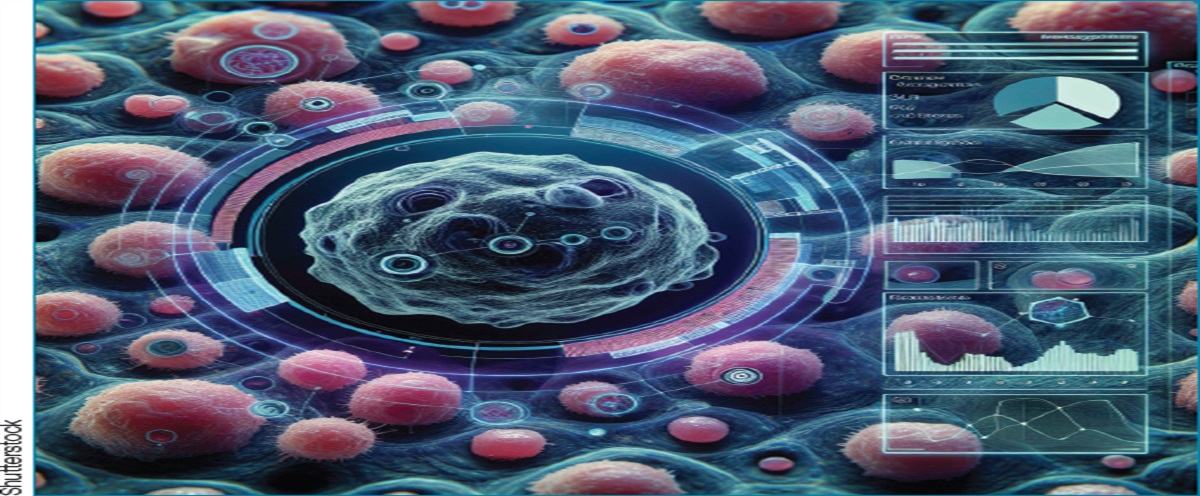
Phase II Study Explores Chemo-Free Regimen for HER2-Altered … : Oncology Times
A recent Phase II study has explored the potential of a chemotherapy-free regimen for treating certain cancer patients, offering a promising alternative to traditional chemo-based therapies
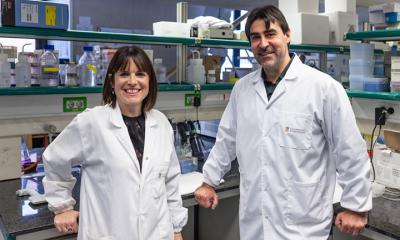
Researchers find a way to stop harmful cells after cancer treatment
Researchers from the University of Barcelona describe a mechanism for eliminating harmful cells from cancer treatment
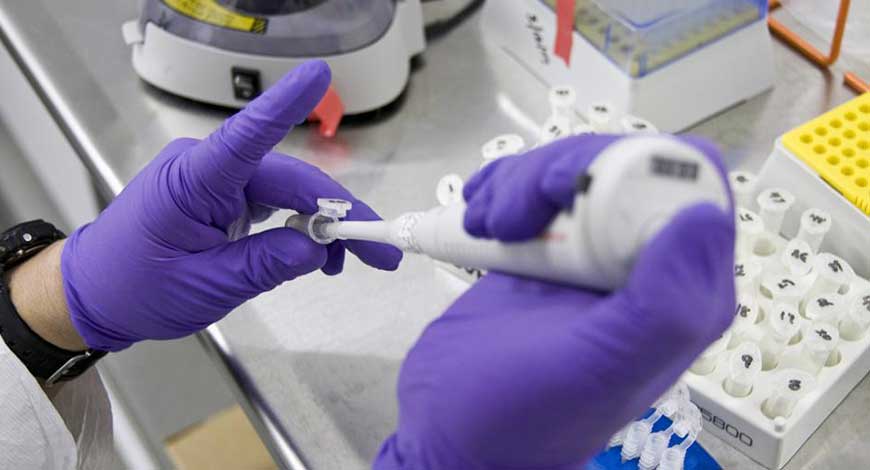
Safdarjung Hospital offers CAR-T cell therapy
Delhi’s Safdarjung Hospital has successfully treated a patient with refractory Non-Hodgkin lymphoma using Chimeric Antigen Receptor T-cell (CAR-T) therapy. With this, Safdarjung has become India’s first hospital to provide the advanced immunotherapy. It has also set a new standard for cancer care in public hospitals. CAR-T cell therapy, an innovative form of treatment, harnesses the […]
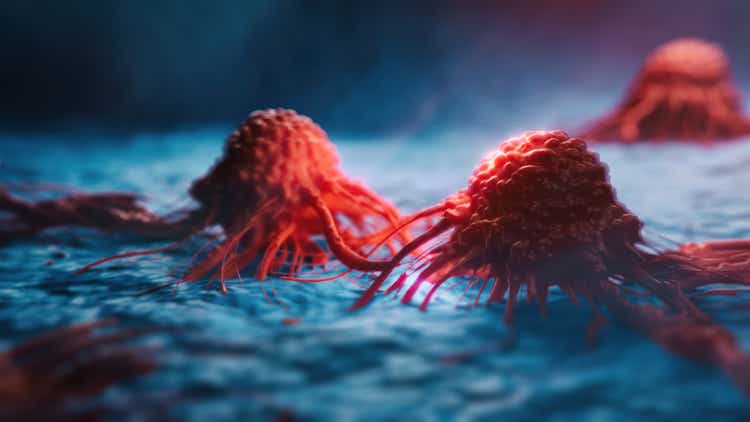
Breast cancer: Three times I learnt my diet was wrong – and how to avoid my mistakes
A breast cancer survivor shares her experiences with dietary mistakes during treatment and offers advice on proper nutrition.

Cancer protein discovery reveals new treatment target
Researchers have discovered how a particular protein affects the growth and spread of colon cancer in humans. The study not only improves our understanding of why this type of cancer can be aggressive in some people, but it also highlights a potential treatment target.

Cancer vaccine being created by scientists could stop disease up to 20 years early
A new partnership between the University of Oxford and GSK aims to develop vaccines against cancer before develop
Immunotherapy-TACE Regimen Boosts PFS in Unresectable Liver Cancer
Add-on camrelizumab-rivoceranib also trended toward better OS in CARES-005
Breast cancer cure rates almost doubled in combo therapy trial
A phase 3 clinical trial has shown that adding a targeted immunotherapy drug to chemotherapy dramatically improved – almost doubled – the cure rate for patients with the most common kind of breast cancer. The findings suggest adopting a new treatment paradigm for the disease.

Leap Therapeutics stock tumbles after mid-stage trial setback
Leap Therapeutics (LPTX) shares fell after the company announced a setback in its mid-stage clinical trial for a cancer treatment.

Aromatic plant can fight colorectal cancer, say scientists
Scientists from the University of Sharjah have found that a naturally growing aromatic plant contains ingredients with the ability to treat colorectal cancer.
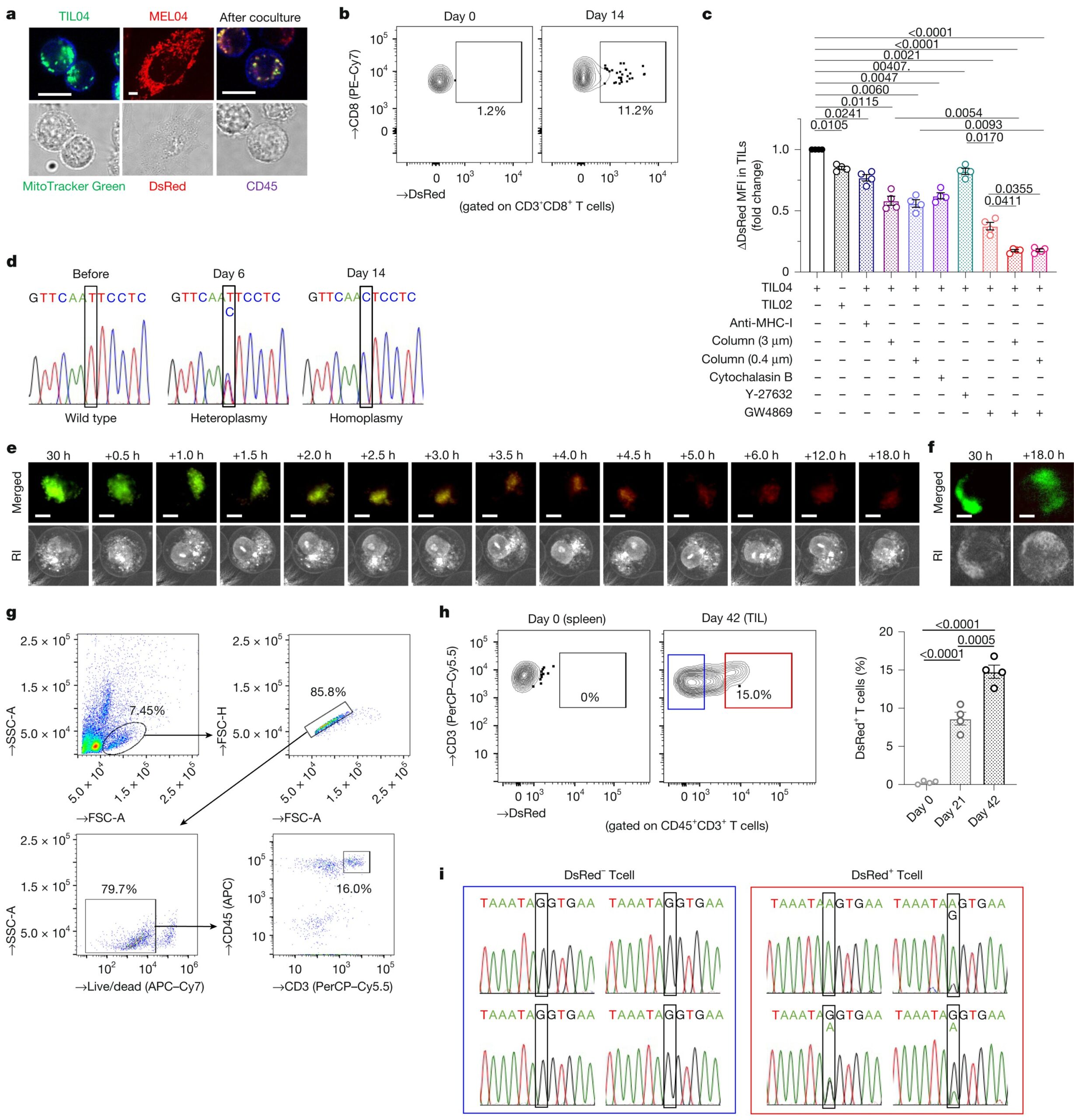
Scientists uncover how cancer cells hijack T-cells, making it harder for the body to fight back
Research led by the Chiba Cancer Center Research Institute in Japan has discovered a surprising way cancer evades the immune system. It essentially hacks the immune cells, transferring its own faulty mitochondrial DNA (mtDNA) into the T-cells meant to attack it.
High Success Rate With Conversion Therapy for Unresectable Gastroesophageal Cancer
Three-fourths of patients had clear margins after surgery