
Middle Schooler Uncovers Surprising Cancer-Fighting Potential in Goose Droppings
When I was still at school, a school trip usually involved a museum or some other such institution. However, a group of school children were recently asked to explore their neighborhood and find potentially beneficial bacteria.
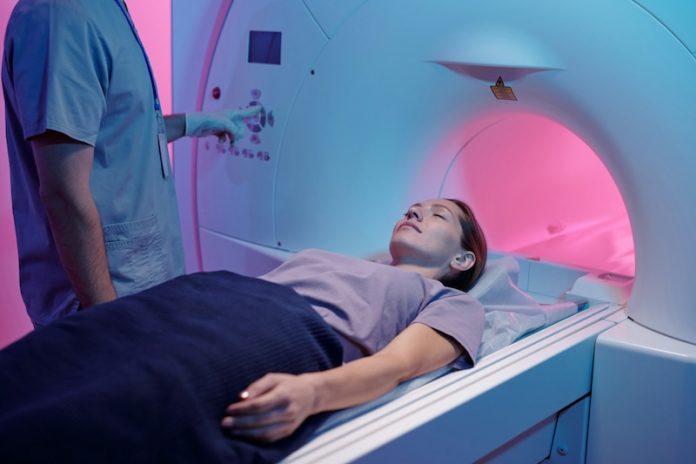
AI could detect cancer in abdomen early, study finds
Artificial intelligence (AI) is becoming an essential tool in medical imaging, helping radiologists analyze scans faster and more accurately. However, AI models need a massive amount of labeled data to work well, which means radiologists still spend a lot of time marking images manually.

Research shows key cause of spread of aggressive prostate cancer
Scientists from MedUni Vienna have made an important discovery that could improve the way aggressive prostate cancer is diagnosed and treated.

Vitamin K Precursor Found to Target and Destroy Cancer Cells in Latest Research
According to the American Cancer Society, prostate cancer is the second-leading cause of cancer-related death in males in the United States, behind only lung cancer. Around 1 out of every 8 men will be diagnosed with prostate cancer at some point in their lives.

Man given pioneering surgery for cancer treatment
A man who dismissed signs of cancer as a mark from his golf bag has become the first patient in the UK to have robotic microsurgery, the Royal Marsden Hospital has claimed.
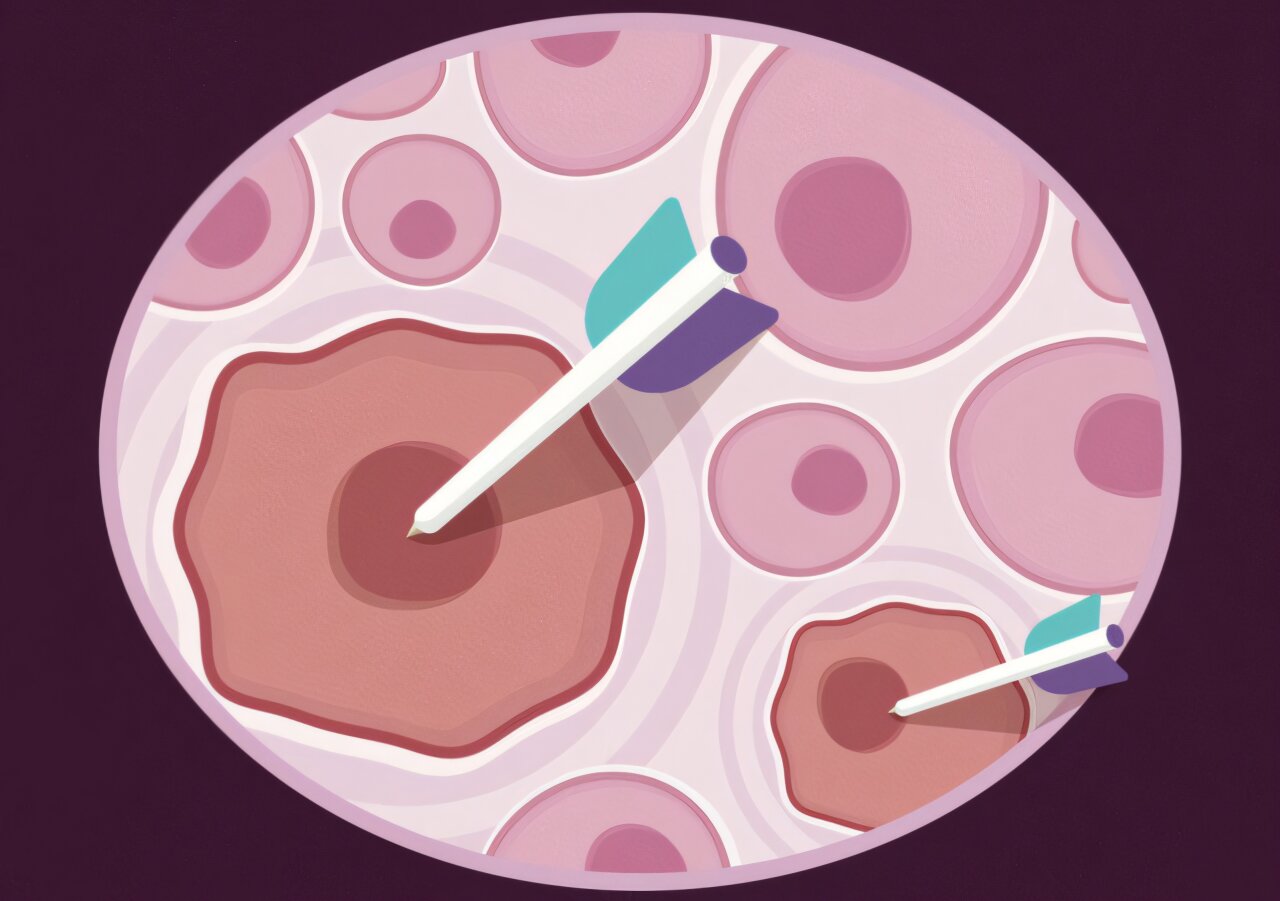
Mutations in two gene pairs point to a promising drug target in 5% of adult cancers
Scientists from the Cancer Dependency Map (DepMap) at the Broad Institute of MIT and Harvard and Columbia University have discovered that about 5% of adult cancers rely heavily on a gene called PELO to survive and that disabling the gene kills those cancer cells. These cancers have mutations in one of two genes, FOCAD or TCC37.
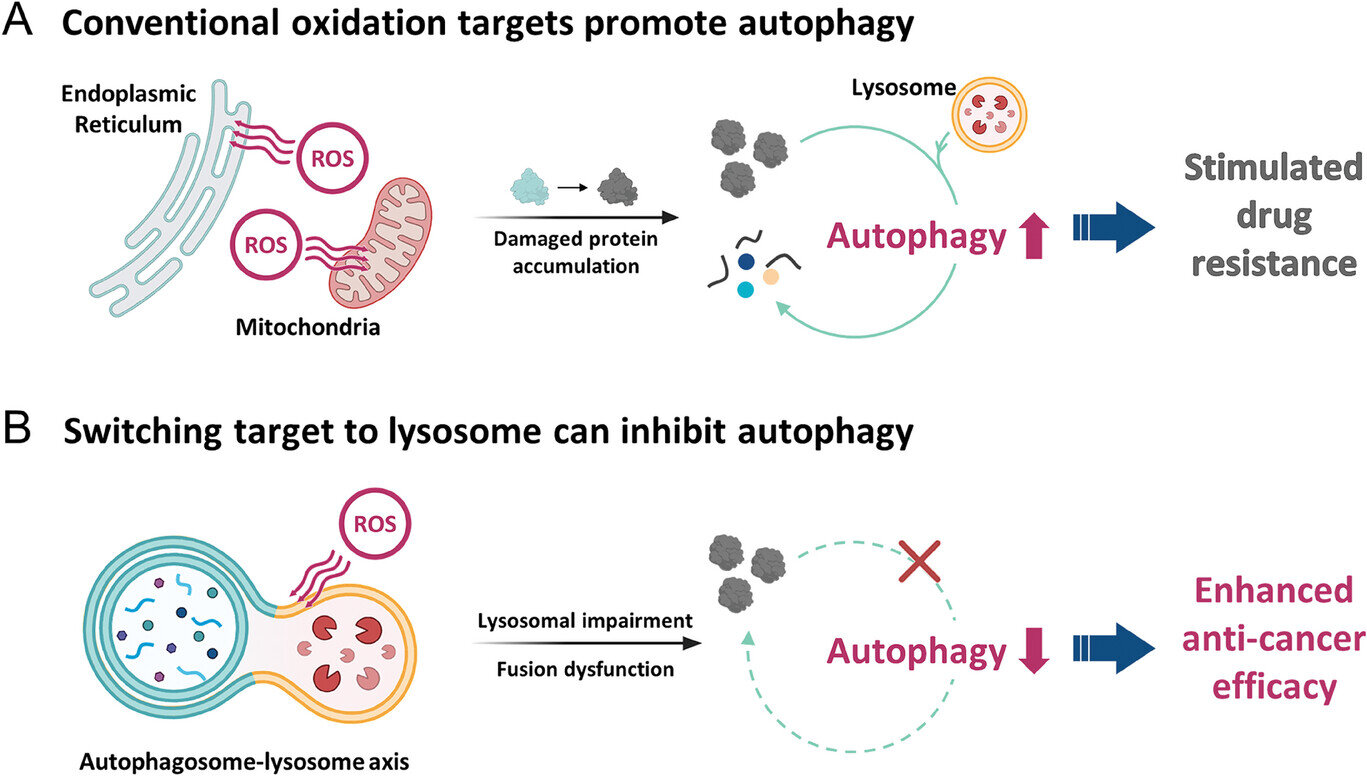
Light-activated compound offers hope for overcoming drug resistance in cancer treatment
A research team affiliated with UNIST has unveiled an innovative technology to eliminate drug-resistant cancer cells using light. Professors Tae-Hyuk Kwon and Duyoung Min from the Department of Chemistry at UNIST, alongside Professor Taiho Park from POSTECH, have created a photoreactive compound capable of suppressing autophagy in cancer cells—one of the key mechanisms contributing to resistance against anticancer therapies.

Acrivon Therapeutics gets FDA breakthrough device designation for its oncosignature assay for endometrial cancer
Acrivon Therapeutics (NASDAQ:ACRV) announced the U.S. FDA has granted Breakthrough Device designation for the ACR-368 OncoSignature assay, a multiplex immunofluorescence assay for the identification of endometrial cancer patients who may benefit from ACR-368 treatment.

Geneva researchers discover potential for targeted cancer drug delivery
Researchers in Geneva have determined how some harmful bacteria introduce dangerous enzymes into host cells. They now want to use this discovery to deliver drugs directly to cancer cells.
New Nanosystem Offers Precision Targeting and Therapy for Tongue Cancer
Researchers have developed a new nanosystem that provides precision targeting and therapy for tongue cancer, potentially improving treatment outcomes.
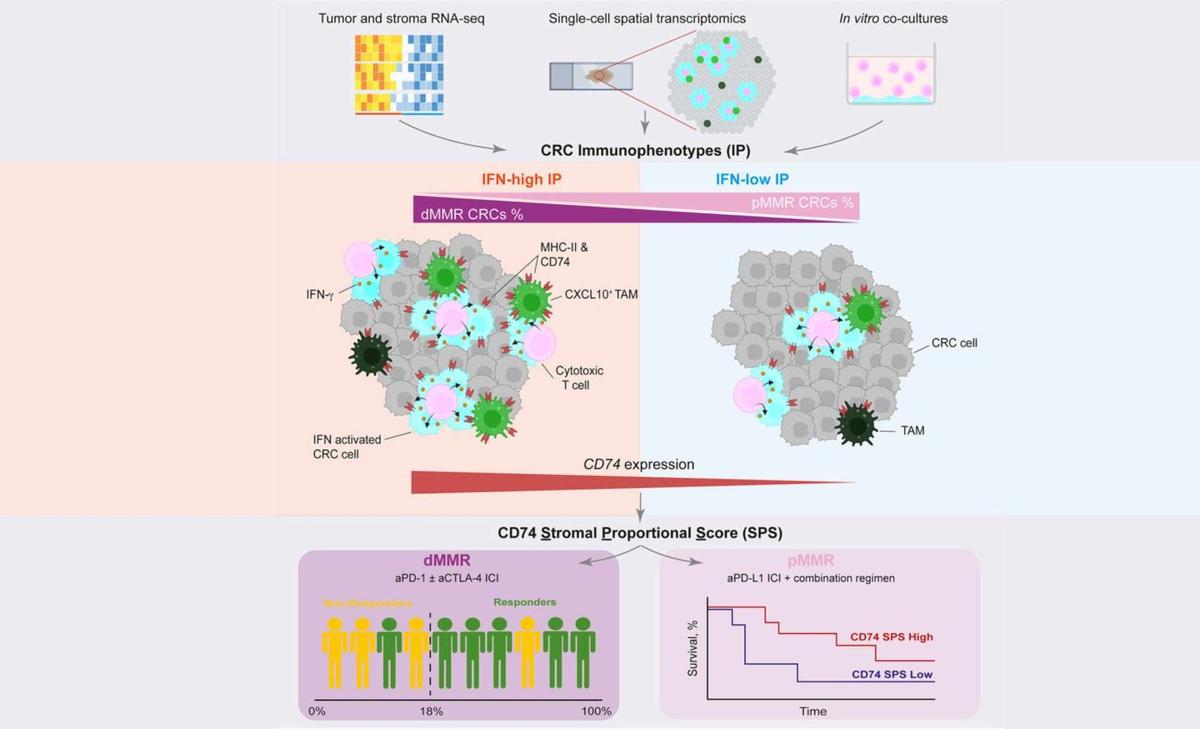
This protein discovery may change the treatment of colon cancer
Bowel cancer affects many individuals and often leads to serious health complications or death. Doctors have been seeking new approaches that can target the disease more precisely, and one recent finding has stirred a lot of interest.
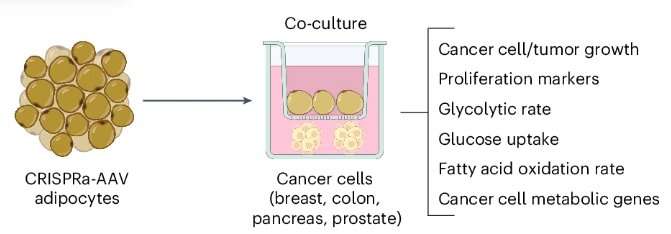
How hungry fat cells could someday starve cancer to death
Liposuction and plastic surgery aren’t often mentioned in the same breath as cancer. But they are the inspiration for a new approach to treating cancer that uses engineered fat cells to deprive tumors of nutrition.
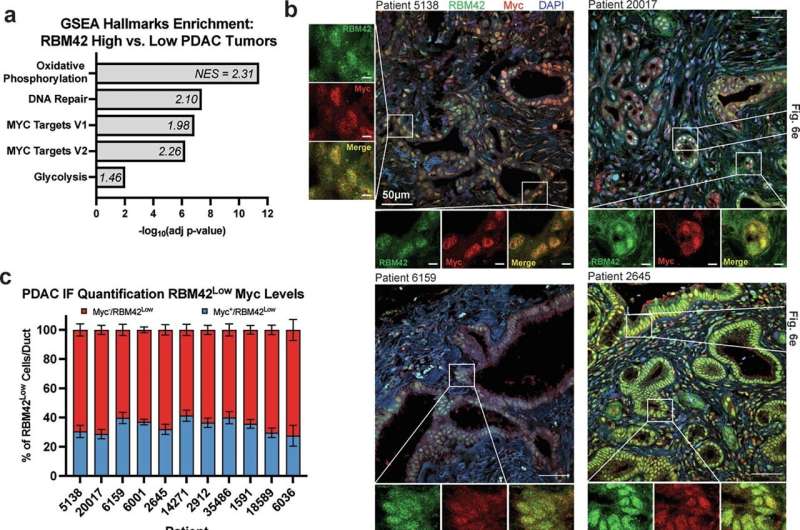
Disrupting the RBM42 protein could throw a wrench in the gears of cancer’s growth
For decades, scientists have tried to stop cancer by disabling the mutated proteins that are found in tumors. But many cancers manage to overcome this and continue growing. Now, UCSF scientists think they can throw a wrench into the fabrication of a key growth-related protein, MYC, that escalates wildly in 70% of all cancers. Unlike some other targets of cancer therapies, MYC can be dangerous simply due to its abundance.

Cancer Treatment Kills Tumors Using Sound And Water
In what medical experts are calling a potential game-changer, a new FDA-approved treatment uses highly-focused soundwaves to destroy cancer cells. This innovative approach, known as histotripsy, offers several advantages over traditional radiation and radiofrequency ablation treatments, providing hope for patients with limited options.
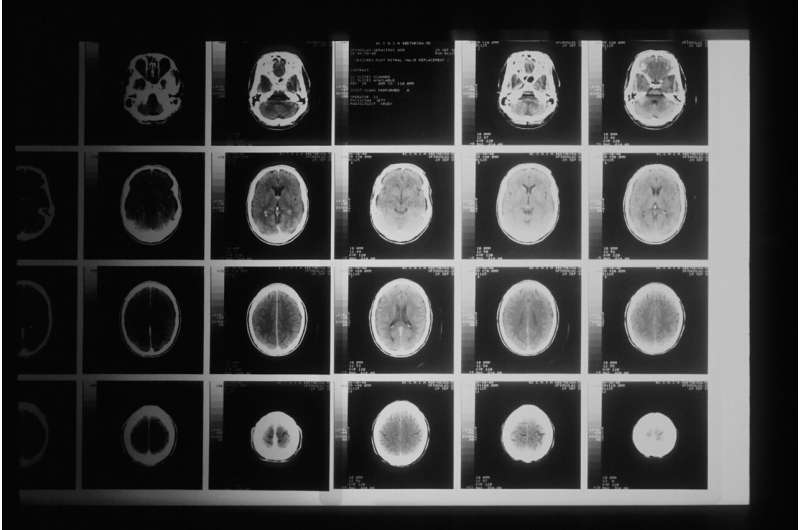
Rethinking metastatic brain cancer as a central nervous system disease
A Personal View published in The Lancet Oncology challenges the long-standing perception of metastatic brain cancer, calling to recognize it as a distinct central nervous system (CNS) disease rather than a mere extension of its primary tumor.

Metastatic cancers: Targeting a protein that fuels treatment-resistant tumors may be key to better outcomes
One of the biggest challenges in cancer treatment is addressing the ability of cancer cells to adapt and become resistant, reducing the effectiveness of therapies over time.
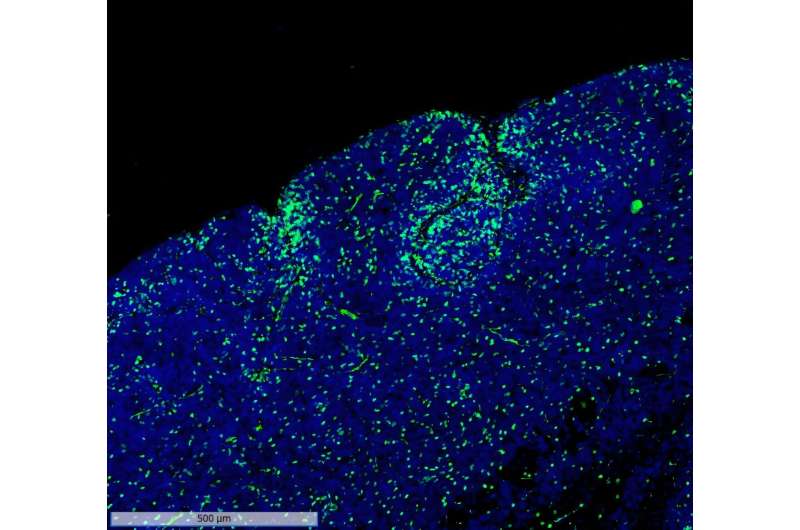
Potential new therapy for childhood brain cancer could heal treatment-resistant tumors
Brain cancer is the second-leading cause of death in children in the developed world. For the children who survive, standard treatments have long-term impacts on their development and quality of life, particularly in small children and infants.
For detailed information on these approvals, you can refer to the FDA’s official page on novel drug approvals for 2024.
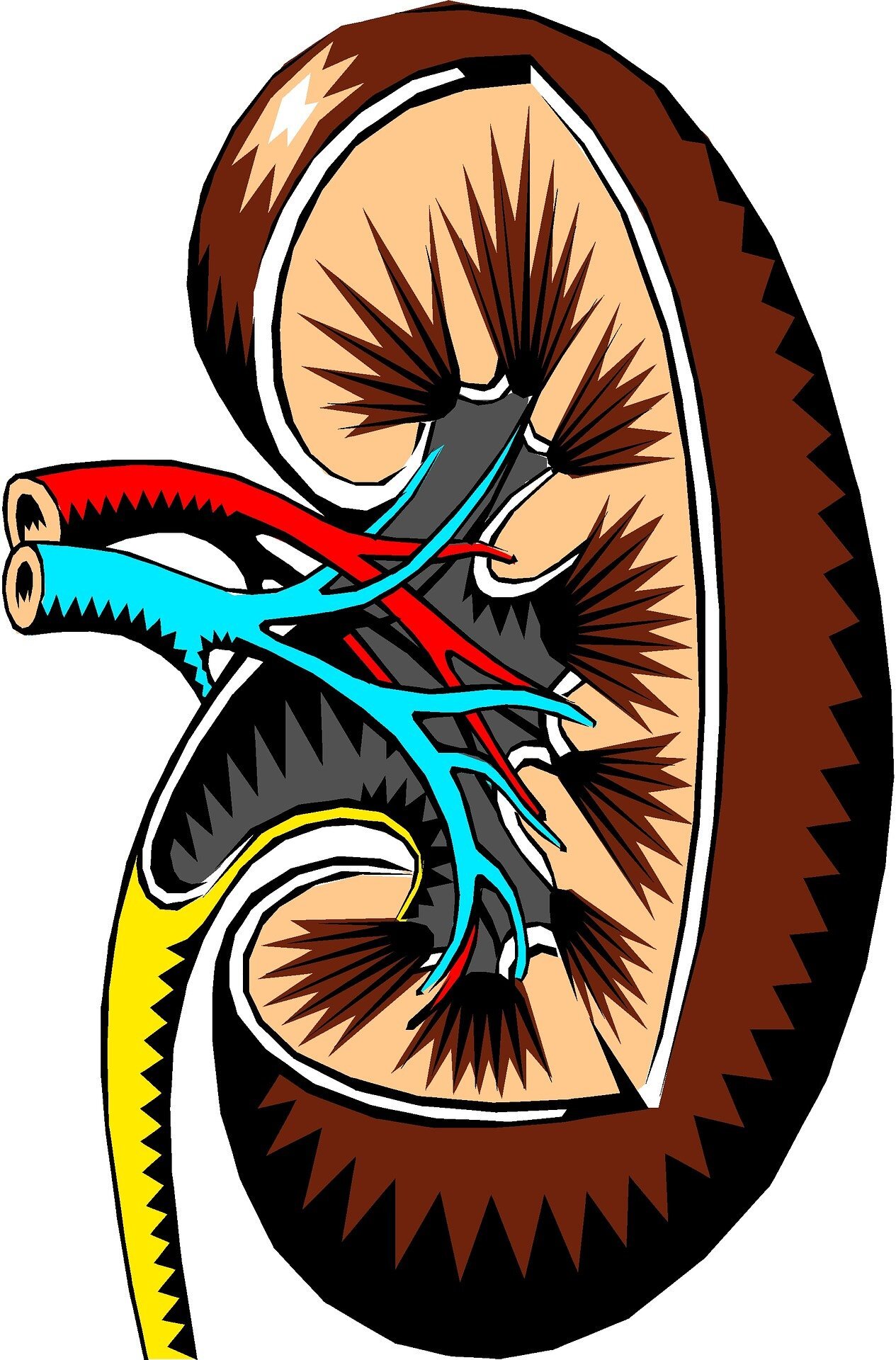
Dana-Farber Cancer Institute researchers report that all nine patients in a clinical trial being treated for stage III or IV clear cell renal cell carcinoma (a form of kidney cancer), generated a successful anti-cancer immune response after initiation of a personalized cancer vaccine.
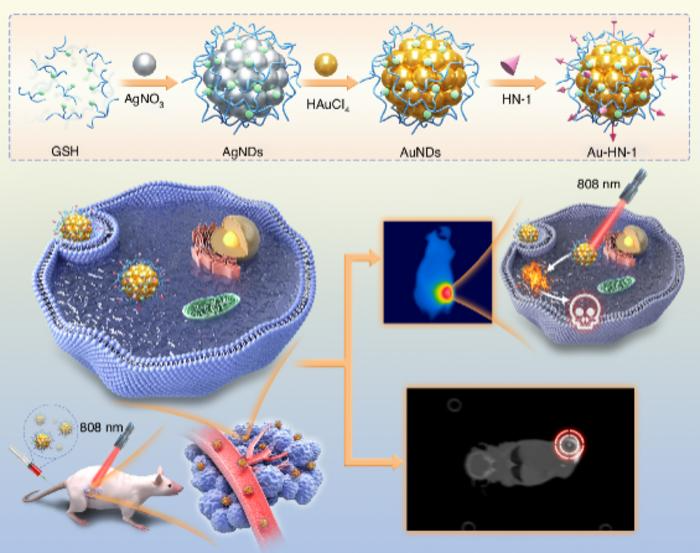
Nanosystem Offers Precision Targeting and Therapy for Tongue Cancer
Researchers have developed a new nanosystem that provides precision targeting and therapy for tongue cancer, potentially improving treatment outcomes.

Game-Changing AI Unveils Stunning Advances in Lung Disease Detection – DSA
The AI model TD-CNNLSTM-LungNet achieves an exceptional accuracy rate of 96.51% in detecting lung diseases. Combines Convolutional Neural Networks (CNN) and Long Short-Term Memory (LSTM) technologies for superior diagnostics. Capable of accurately differentiating between conditions like pneumonia and COVID-19 using ultrasound images. Enhances radiologists’ decision-making with heat maps and detailed explanations, ensuring transparency. Future plans […]

‘Pushing the boundaries of radiation treatment’: Breakthrough in pancreatic cancer therapy advances to clinical trials
A novel approach developed by scientists, including Rice University chemist James Tour, could transform treatment for pancreatic cancer, one of the deadliest cancers with limited therapeutic options.

Breakthroughs, Personalization, and the Future of Lymphoma Care
Ann LaCasce, MD, MMSc, delved into some of the most recent advances in the lymphoma space, exploring how these new therapies are offering hope for more durable remissions and better quality of life.
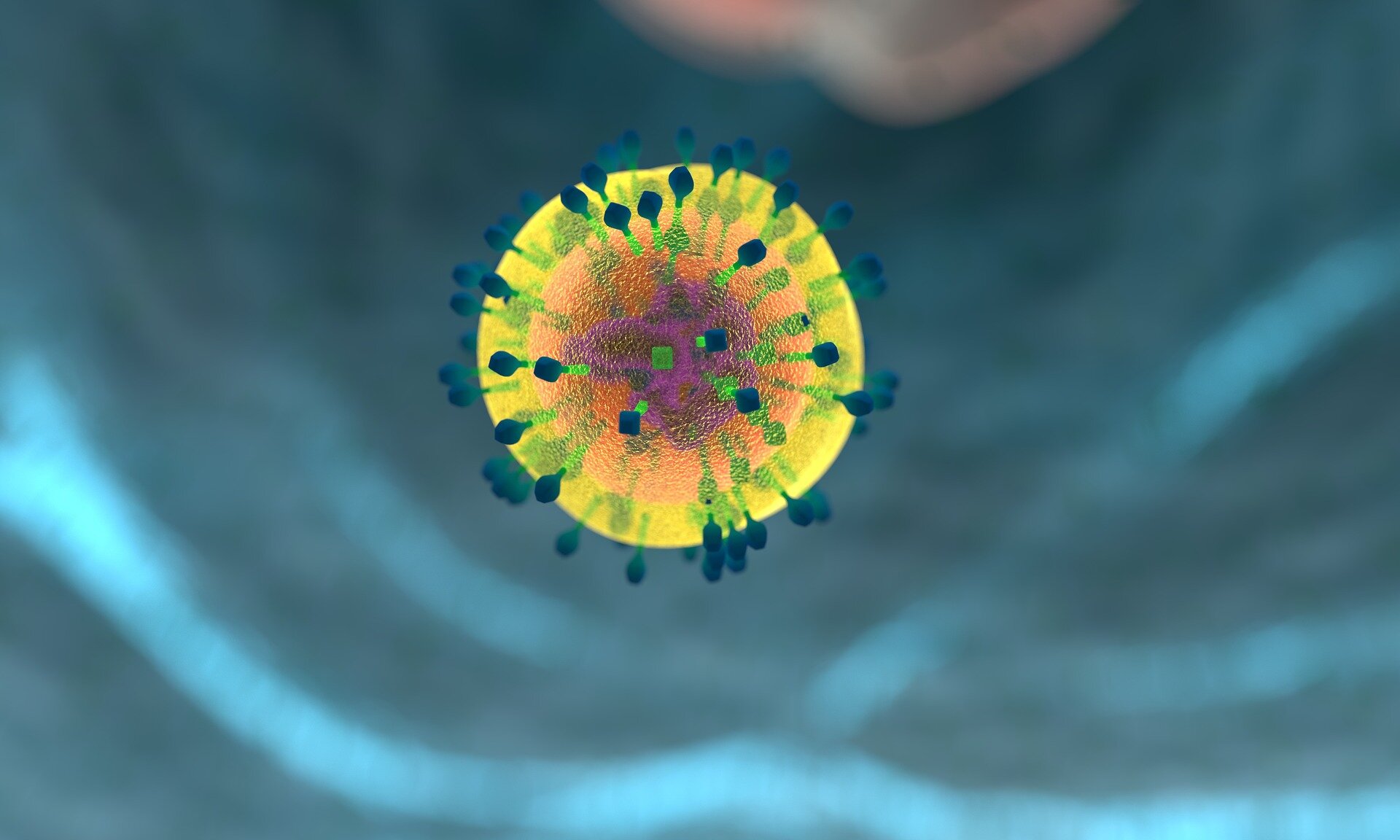
Computer model simplifies immune cell identification for lung cancer treatment
Researchers at the Johns Hopkins Kimmel Cancer Center and Bloomberg-Kimmel Institute for Cancer Immunotherapy have developed a computer model to help scientists identify tumor-fighting immune cells in patients with lung cancer treated with immune checkpoint inhibitors.
Using light to monitor high blood pressure and cancer treatment
Using light to monitor high blood pressure and cancer treatment